Category: Recycling | 26 Feb 2026
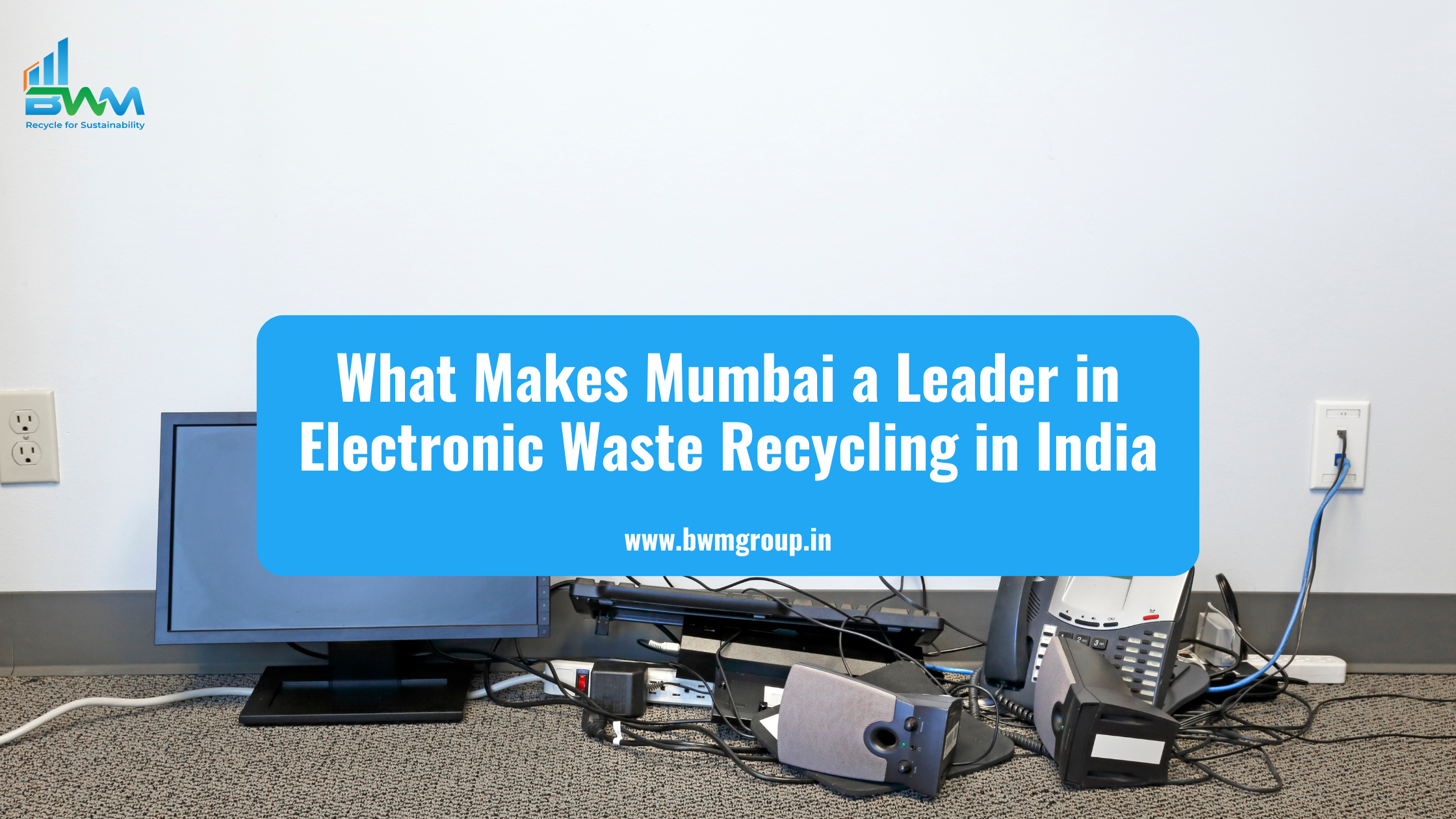
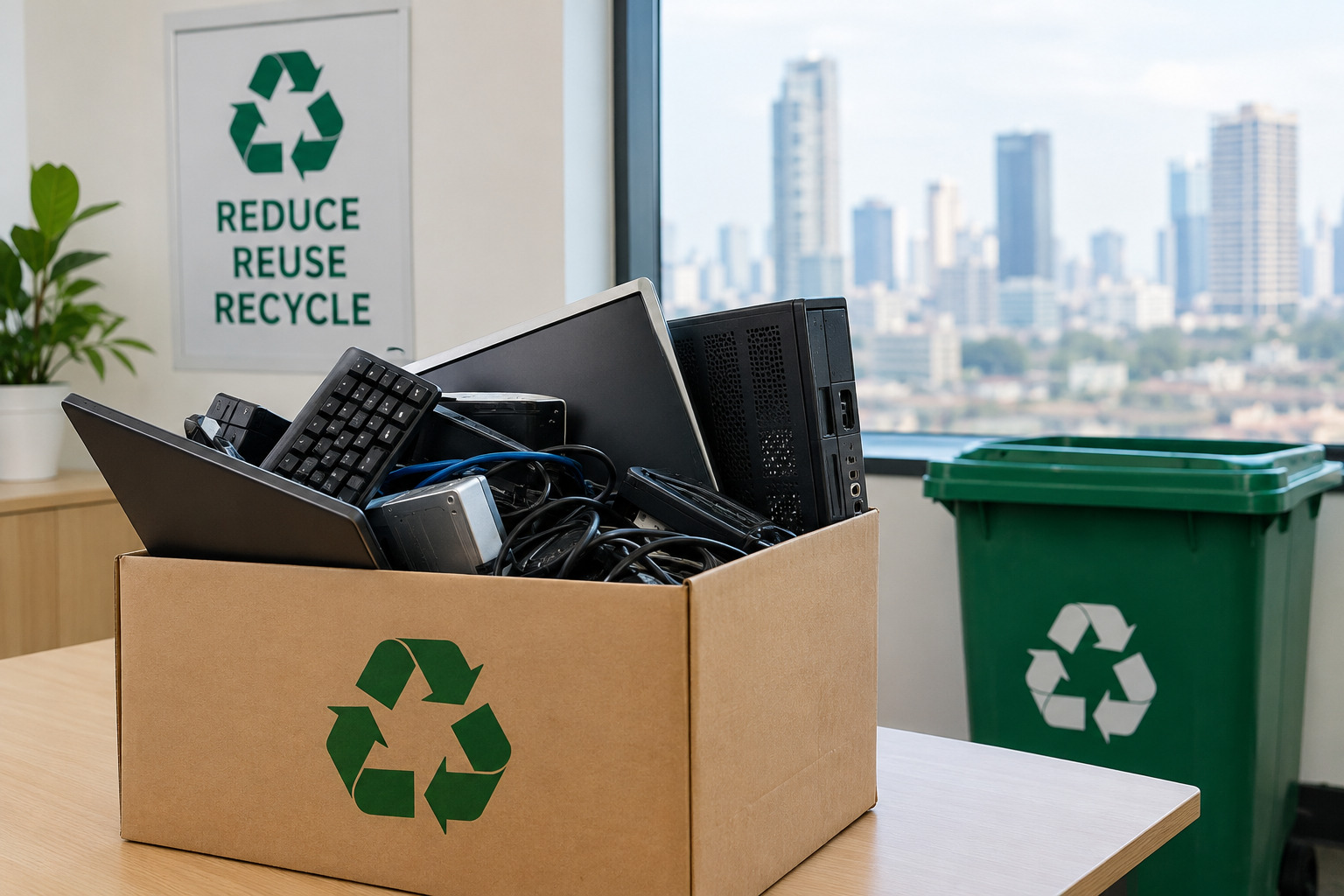
Electronic waste, also called e-waste, is one of the fastest growing waste problems in India. Old mobiles, laptops, computers, TVs, and other electronic items are replaced very quickly today. Because Mumbai is a large metro city with heavy technology use, it produces a huge amount of electronic waste every year. In fact, Mumbai ranks first in e-waste generation among Indian cities, which makes proper recycling systems very important.
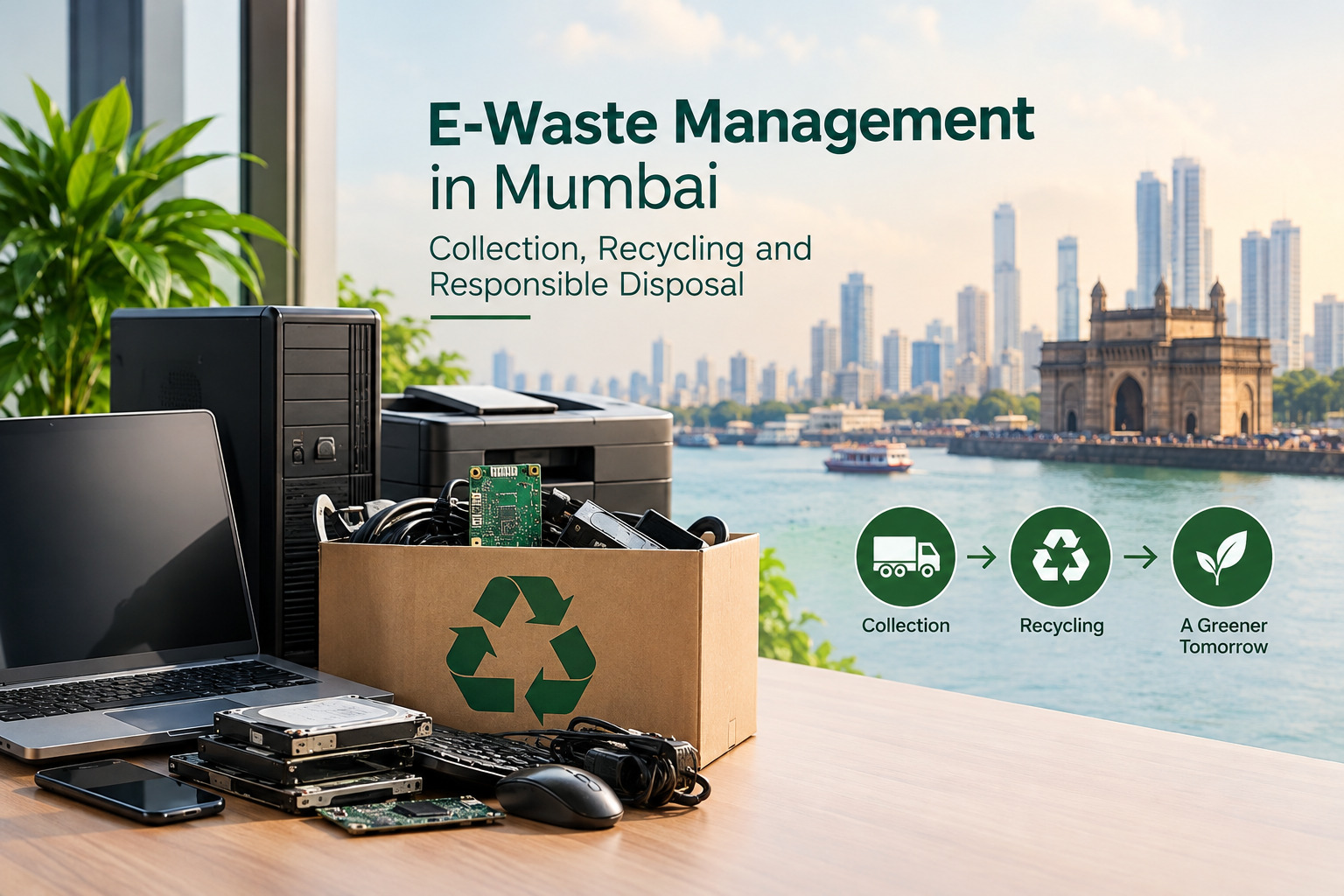
But Mumbai is not only a major generator of e-waste. The city is also building strong systems to collect, manage, and recycle electronic waste safely. Many government programs, private recycling companies, and public awareness campaigns are helping Mumbai move toward becoming a leader in e-waste recycling.
One major reason Mumbai is progressing in electronic waste recycling is strong collection programs. The city has launched dedicated e-waste drives and partnerships between government bodies and private recycling agencies. For example, recent initiatives helped collect more than 21,000 kg of e-waste in just five months from homes, industries, and warehouses.
Another city campaign collected over 15,000 kg of e-waste from schools, offices, housing societies, and small businesses. These programs help prevent electronic waste from mixing with normal garbage and ensure safe recycling.
These types of organized drives show how seriously Mumbai is working toward responsible electronic waste disposal.
Mumbai has many corporate offices, IT parks, banks, and commercial spaces. These sectors use large numbers of electronic devices and upgrade them regularly. Because of this, the Mumbai region generates a very high volume of electronic waste every year.
While high generation is a challenge, it also helps build a strong recycling ecosystem. More waste volume means better business opportunities for professional recycling companies and better infrastructure investment in recycling technology.
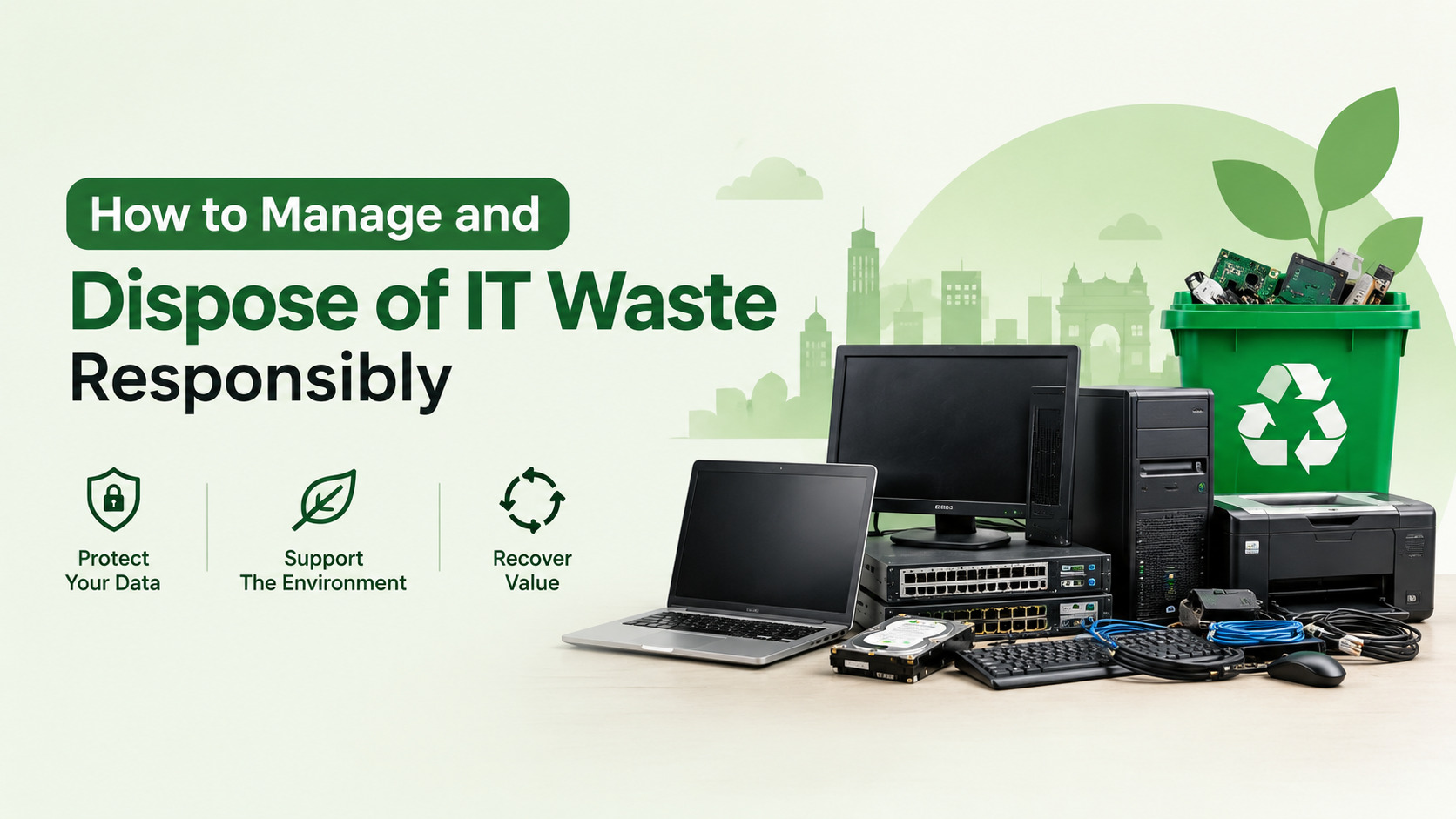
Companies like Bhangarwala Waste Management Private Limited (BWM) help businesses handle IT waste disposal safely and responsibly. Professional waste management companies help reduce environmental risk and support proper recycling methods.
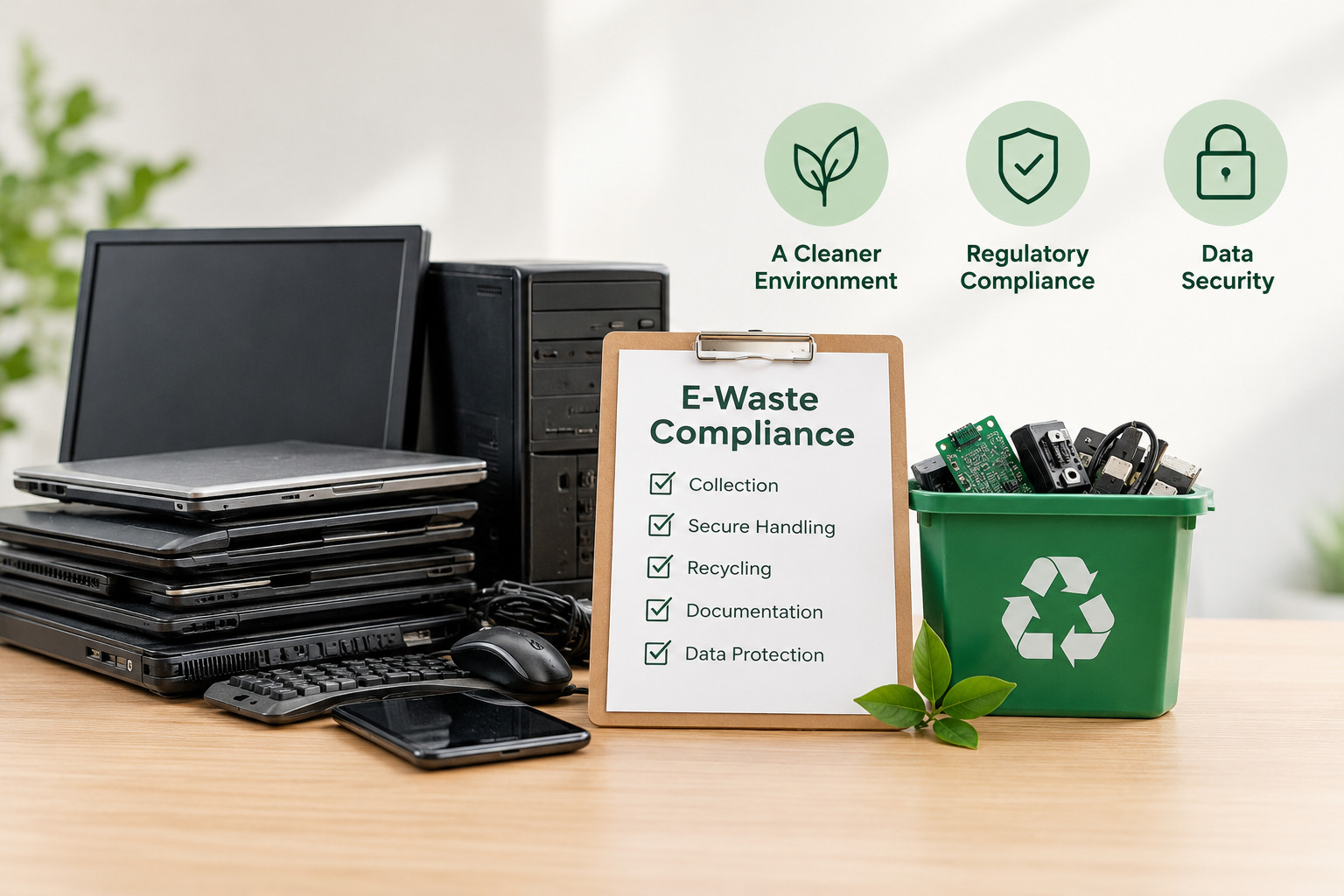
Government rules like E-Waste Management Rules and Extended Producer Responsibility (EPR) help control electronic waste disposal. These rules make manufacturers and producers responsible for collecting and recycling electronic products after use.
Mumbai’s municipal authorities are also working on better waste segregation, collection systems, and scientific treatment methods. Such policies help build a stronger recycling network and support long-term environmental protection.
Mumbai and Maharashtra have multiple dismantlers and recyclers working to process electronic waste. The state has dozens of dismantling units and recycling facilities that help handle large amounts of waste generated by urban areas.
The presence of these facilities improves the city’s ability to process e-waste in an organized and safe way. As technology improves, recycling processes are becoming more efficient and environmentally friendly.
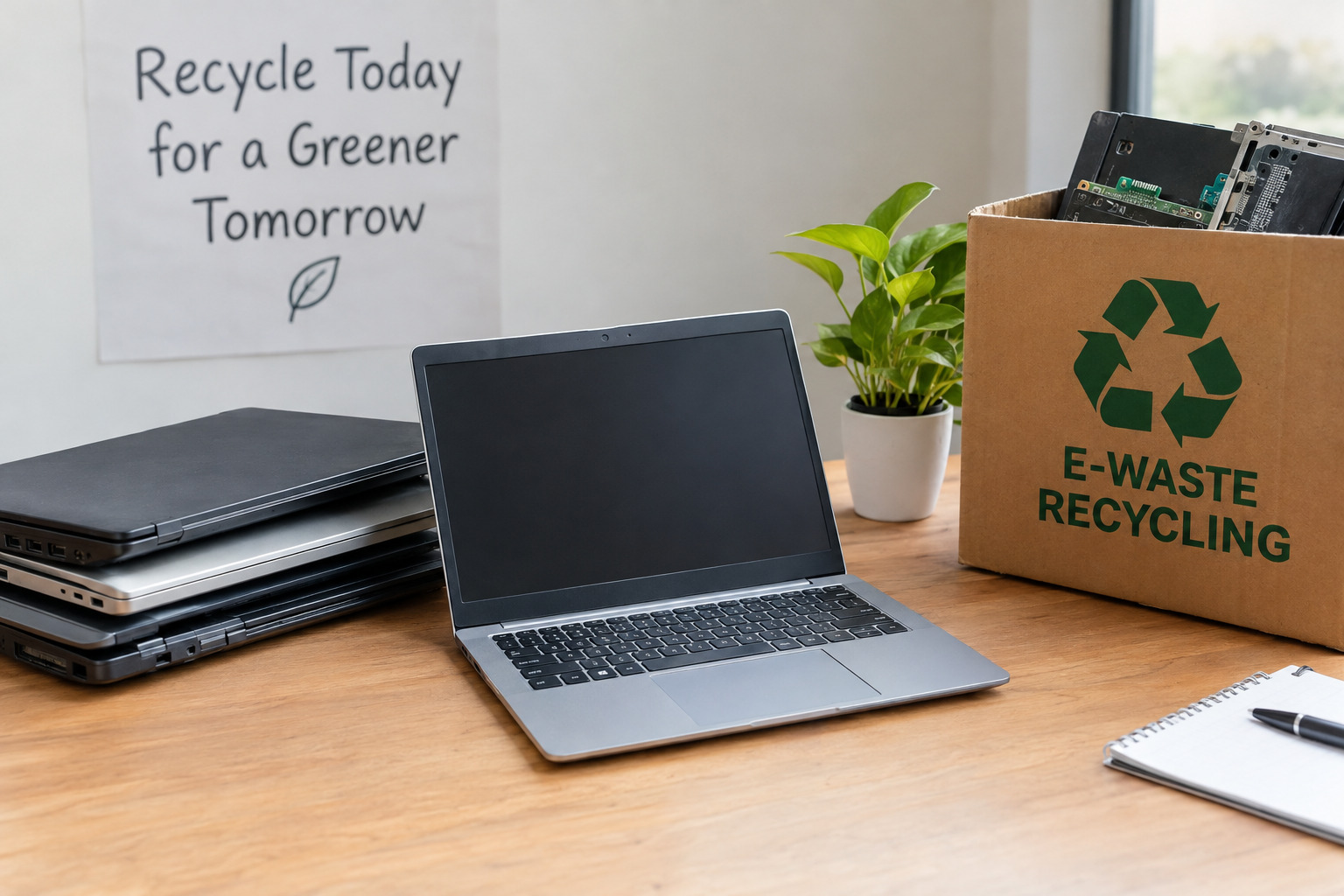
Public awareness is another major factor. Many housing societies, schools, and offices now understand the importance of proper electronic waste recycling. Awareness campaigns help people learn that e-waste contains harmful materials like lead and mercury, which can damage soil and water if dumped in landfills.
When citizens support recycling programs, collection rates increase and environmental damage reduces.
Even though Mumbai is improving, challenges remain. In some cases, informal recycling sectors still handle a large portion of e-waste. Also, older data shows recycling rates were very low compared to total waste generation.
However, new policies, better collection drives, and professional recycling services are helping improve this situation.
Mumbai is becoming a leader in electronic waste recycling because of strong government support, active recycling companies, public awareness, and organized collection drives. The city generates a large amount of electronic waste, but it is also building systems to manage it responsibly.
With support from professional companies like Bhangarwala Waste Management Private Limited (BWM), businesses and individuals can safely dispose of electronic waste and protect the environment. As awareness and technology improve, Mumbai will continue moving toward a cleaner and greener future.

Bhangarwala Waste Management Pvt. Ltd. is on a mission to Achieve Sustainability through Circularity by providing Waste Recycling Services for Corporates.
