Category: Recycling | 09 Oct 2026
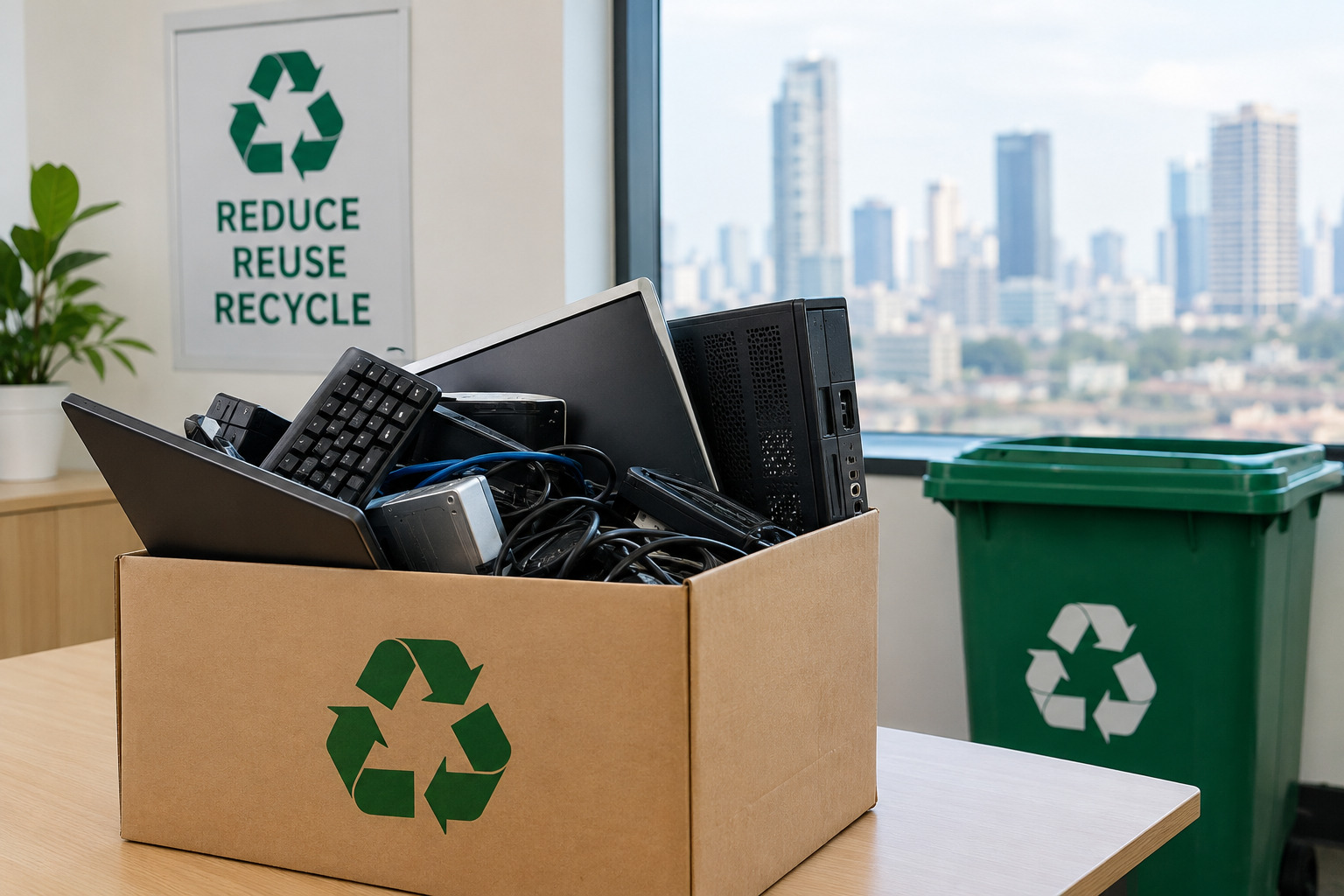
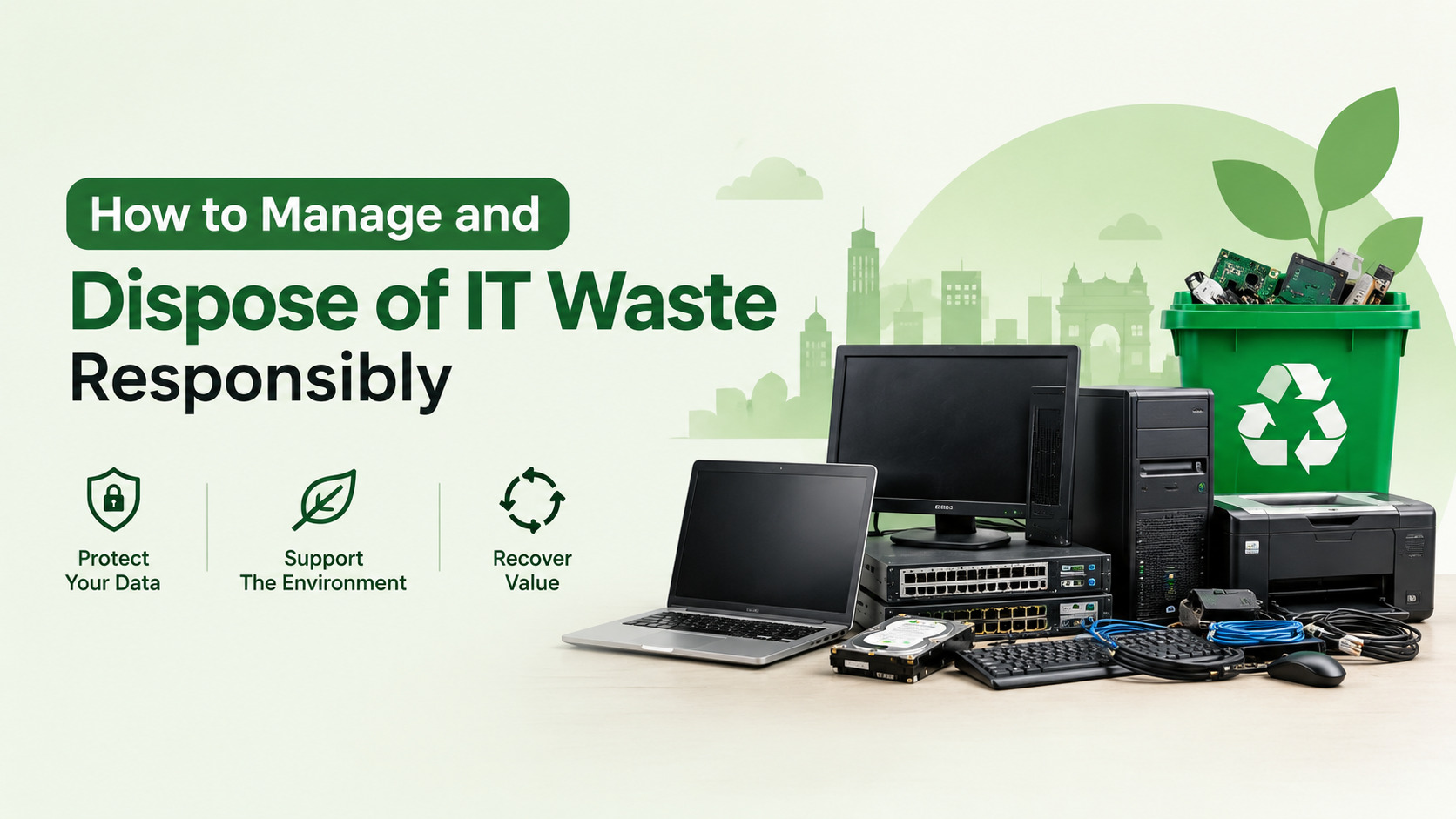
Large multinational companies generate a wide range of scrap during everyday operations. Office equipment, computers, laptops, servers, networking devices, cables, printers, batteries, packaging materials, and obsolete electronic assets can accumulate quickly across corporate offices, data centers, warehouses, and facilities.
For MNCs, managing this material responsibly is about more than clearing storage space. MNC Scrap recycling in Mumbai requires a structured approach that considers data security, environmental responsibility, asset recovery, regulatory requirements, documentation, and operational efficiency.
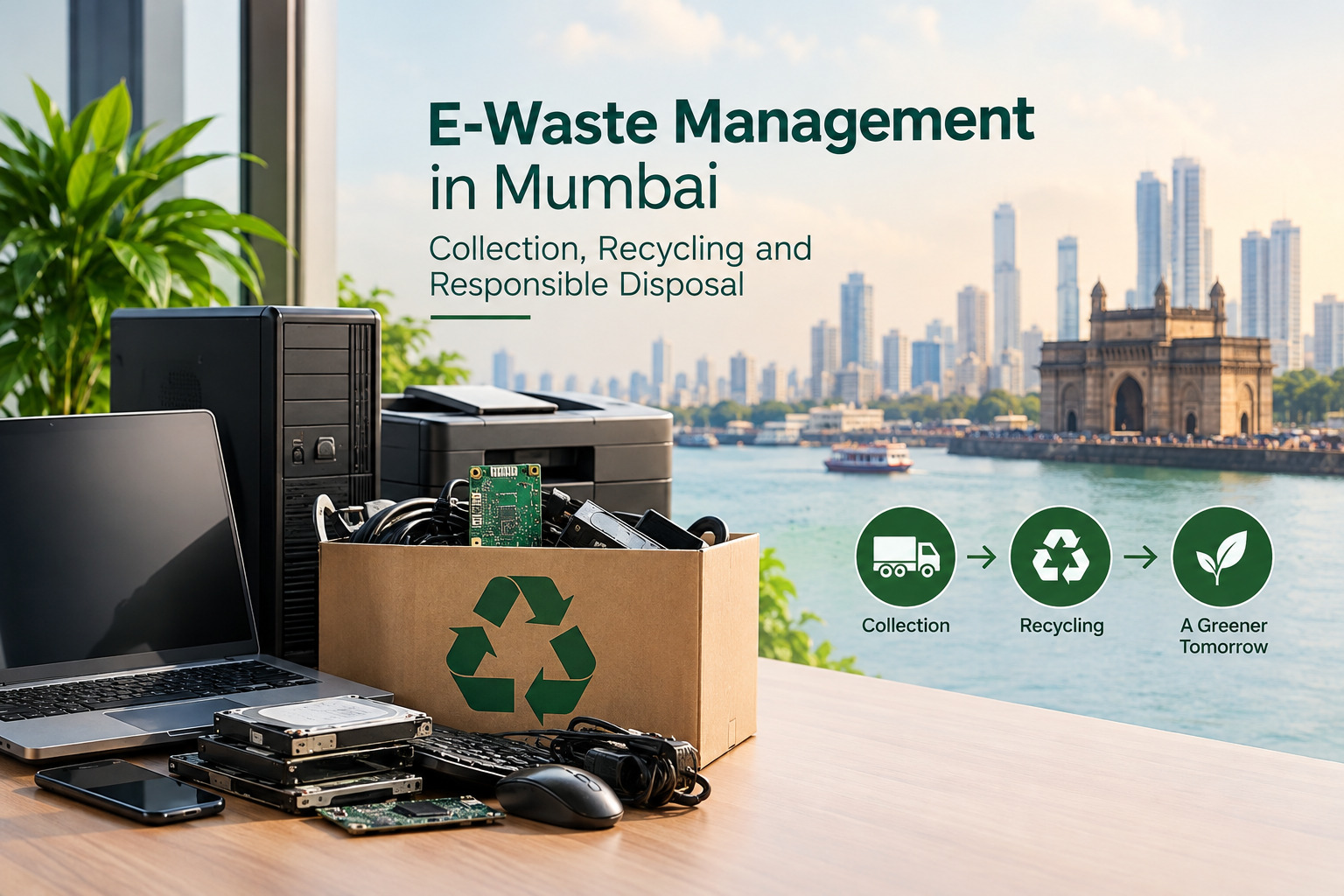
Mumbai's concentration of corporate offices, financial institutions, technology companies, manufacturing units, and data-driven businesses makes professional scrap management particularly important. Maharashtra Pollution Control Board (MPCB) maintains dedicated e-waste procedures and publishes information on authorized e-waste facilities in the state.
For businesses looking for a reliable partner, Bhangarwala Waste Management Private Limited (BWM) provides a business-focused approach to electronic waste collection, recycling, and responsible asset management.
MNC Scrap recycling in Mumbai can involve much more than conventional metal scrap. A multinational organization may generate several categories of recyclable material, including:
Each category requires appropriate handling. Electronic equipment containing sensitive information should not be treated like ordinary scrap.
A professional process separates assets according to their condition, material composition, data sensitivity, and recycling requirements.
One of the biggest concerns for MNCs is information security.
Old laptops, desktops, servers, hard drives, and storage devices can contain confidential business information even after they are removed from an organization's IT network.
Before equipment enters the recycling stream, companies should establish a secure data destruction or data sanitization process. Depending on the device and organizational requirements, this may involve verified data wiping or physical destruction of storage media.
For organizations handling financial records, employee information, intellectual property, customer data, or government-related information, secure asset handling should be an essential part of MNC Scrap recycling in Mumbai.
Electronic waste contains materials that can potentially be recovered and reused. Responsible recycling helps reduce uncontrolled disposal and supports recovery of materials such as copper, aluminium, iron, plastics, and other components.
The CPCB describes environmentally sound e-waste management as managing e-waste in a manner that protects health and the environment from adverse effects.
For MNCs with sustainability targets, responsible recycling can therefore form part of a broader environmental management strategy.
Effective MNC Scrap recycling in Mumbai starts with an organized internal process rather than waiting until obsolete equipment becomes a storage problem.
Companies should maintain an inventory of equipment approaching the end of its useful life. Assets can then be categorized according to:
This approach can prevent reusable equipment from unnecessarily entering the waste stream.
Data-bearing devices require additional controls.
A Data Destruction Company in Mumbai can support organizations with appropriate data sanitization or destruction procedures. Businesses should also maintain records showing what equipment was processed and what data-security procedure was applied.
Not every obsolete device is immediately worthless. Some equipment may have reuse, refurbishment, resale, or component-recovery potential.
An effective asset recovery program can help organizations maximize residual value while reducing unnecessary waste.
Equipment that cannot be reused should move through appropriate recycling channels.
A professional recycling partner should be able to explain how collected material is processed and how the organization maintains appropriate records throughout the recycling process.
Selecting the right E-Waste Management Company India is an important decision for organizations handling significant volumes of electronic scrap.
Businesses should evaluate potential recycling partners based on factors such as:
The CPCB's current framework requires manufacturers, producers, refurbishers, and recyclers covered by the E-Waste (Management) Rules, 2022 to register on the E-Waste EPR Portal.
MPCB also provides an updated list of e-waste recyclers, dismantlers, and refurbishers authorized in Maharashtra.
MNC procurement and sustainability teams should therefore conduct appropriate vendor due diligence before onboarding a recycling partner.
For technology-driven companies, MNC Scrap recycling in Mumbai frequently overlaps with IT asset recycling.
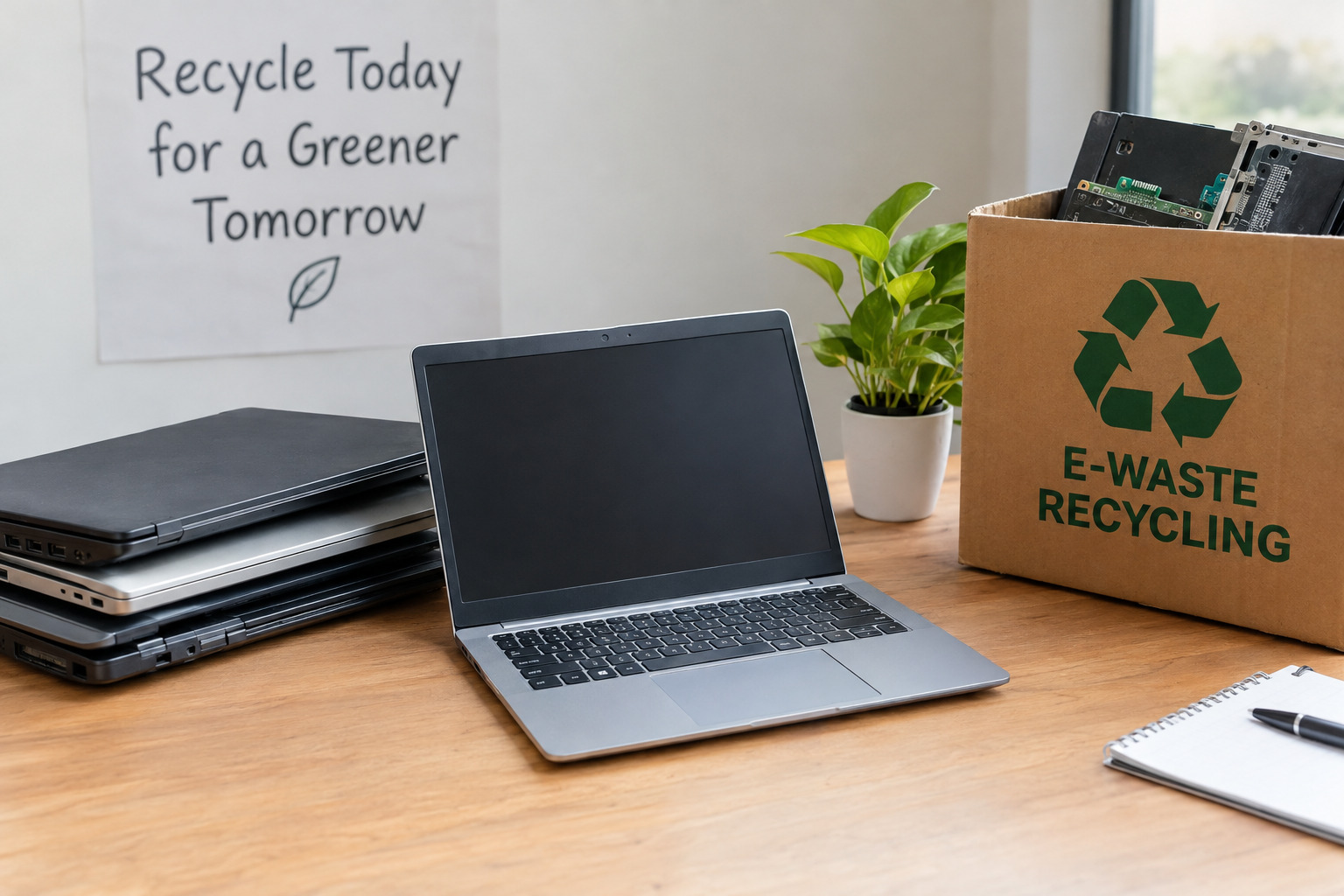
Corporate offices may replace hundreds of desktops during technology refresh cycles. Responsible Desktop Recycling Mumbai services can help organizations identify reusable systems, securely process storage devices, and recycle equipment that has reached the end of its useful life.
Laptops are frequently upgraded because of changing performance, security, or mobility requirements. Laptop Recycling Mumbai should include secure handling of storage devices and appropriate recycling of components.
For MNCs operating across multiple locations, a standardized computer recycling India policy can help establish consistent procedures for asset collection, data security, recycling, and documentation.
Bhangarwala Waste Management Private Limited (BWM) can support organizations looking to implement a structured approach to electronic asset recovery and recycling, particularly where large volumes of obsolete IT equipment are involved.
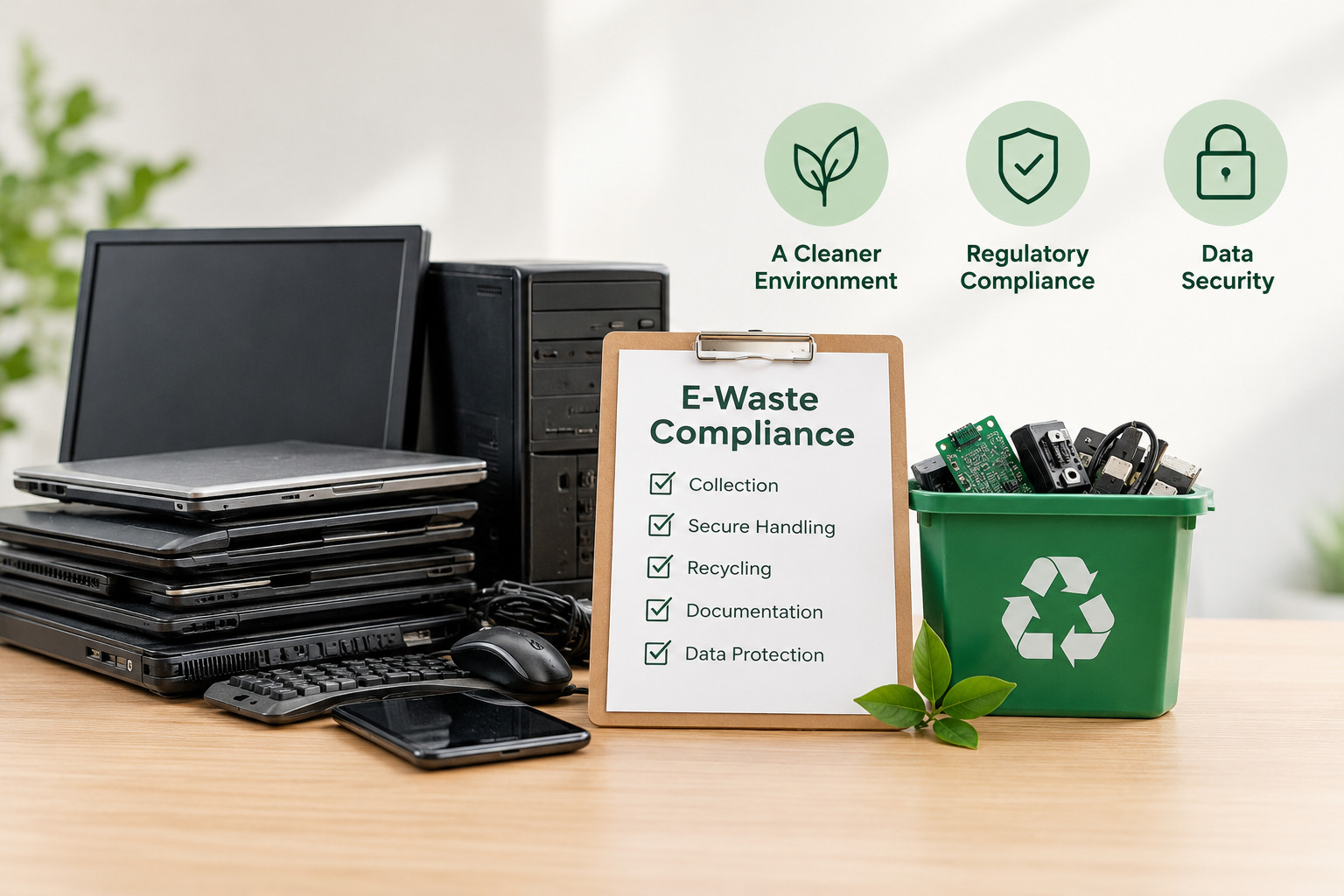
Compliance should be integrated into the organization's overall waste-management and asset-disposition process.
India's E-Waste (Management) Rules, 2022 provide the current regulatory framework for covered electronic waste activities, with subsequent amendments and implementation procedures. MPCB currently publishes the 2022 rules, amendments, registration procedures, and information on authorized facilities for Maharashtra.
MNCs should maintain appropriate records relating to:
Good documentation improves traceability and can help sustainability, procurement, IT, finance, and compliance teams work from the same information.
Bhangarwala Waste Management Private Limited (BWM) understands that corporate recycling requirements are different from those of individual consumers.
An MNC may need scheduled pickups, bulk asset handling, secure processing, detailed inventory records, data-security procedures, and responsible recycling across multiple categories of electronic equipment.
A structured service model can help businesses coordinate these requirements while reducing the administrative burden associated with obsolete equipment.
For organizations evaluating MNC Scrap recycling in Mumbai, the focus should be on building a transparent process rather than simply selecting the highest scrap price.
A strong corporate recycling program can follow a simple hierarchy:
Reuse → Recover → Refurbish → Recycle → Responsible final processing
This approach prioritizes the recovery of useful assets and materials before considering final disposal.
It can also support corporate sustainability initiatives by reducing unnecessary waste, improving material recovery, and creating better visibility into the organization's waste streams.
For large businesses, even small improvements in asset segregation and recycling practices can make a meaningful difference when applied across multiple offices and facilities.
MNC Scrap recycling in Mumbai should be treated as a strategic business process rather than routine scrap disposal. For multinational organizations, responsible recycling combines data security, asset recovery, environmental sustainability, regulatory awareness, and reliable documentation.
By categorizing obsolete assets, protecting sensitive data, evaluating recovery opportunities, and using appropriate recycling channels, businesses can reduce risk while making better use of valuable resources.
Bhangarwala Waste Management Private Limited (BWM) offers a professional approach for organizations seeking responsible electronic waste and IT asset recycling solutions in Mumbai.
Whether an MNC is replacing office computers, decommissioning data-center equipment, consolidating facilities, or managing large volumes of obsolete electronics, a well-designed recycling process can support both operational efficiency and sustainability goals.
MNCs may generate computers, laptops, servers, monitors, printers, cables, networking equipment, electrical components, metals, plastics, and other electronic assets. Each category should be assessed for appropriate reuse, recovery, or recycling.
Electronic devices can retain confidential information after they are removed from service. Secure data wiping or destruction helps reduce the risk of unauthorized access before equipment is reused, recovered, or recycled.
Companies should evaluate registrations, recycling capabilities, data-security procedures, asset tracking, documentation, environmental practices, and downstream processing arrangements before selecting a recycling partner.
Yes. Depending on condition, age, specifications, and market demand, equipment may have reuse, refurbishment, resale, component-recovery, or material value.
A professional recycler can provide a more structured process for collection, asset identification, secure data handling, recovery, recycling, and documentation, helping businesses manage large volumes more efficiently.

Bhangarwala Waste Management Pvt. Ltd. is on a mission to Achieve Sustainability through Circularity by providing Waste Recycling Services for Corporates.
