Category: Recycling | 10 Oct 2026
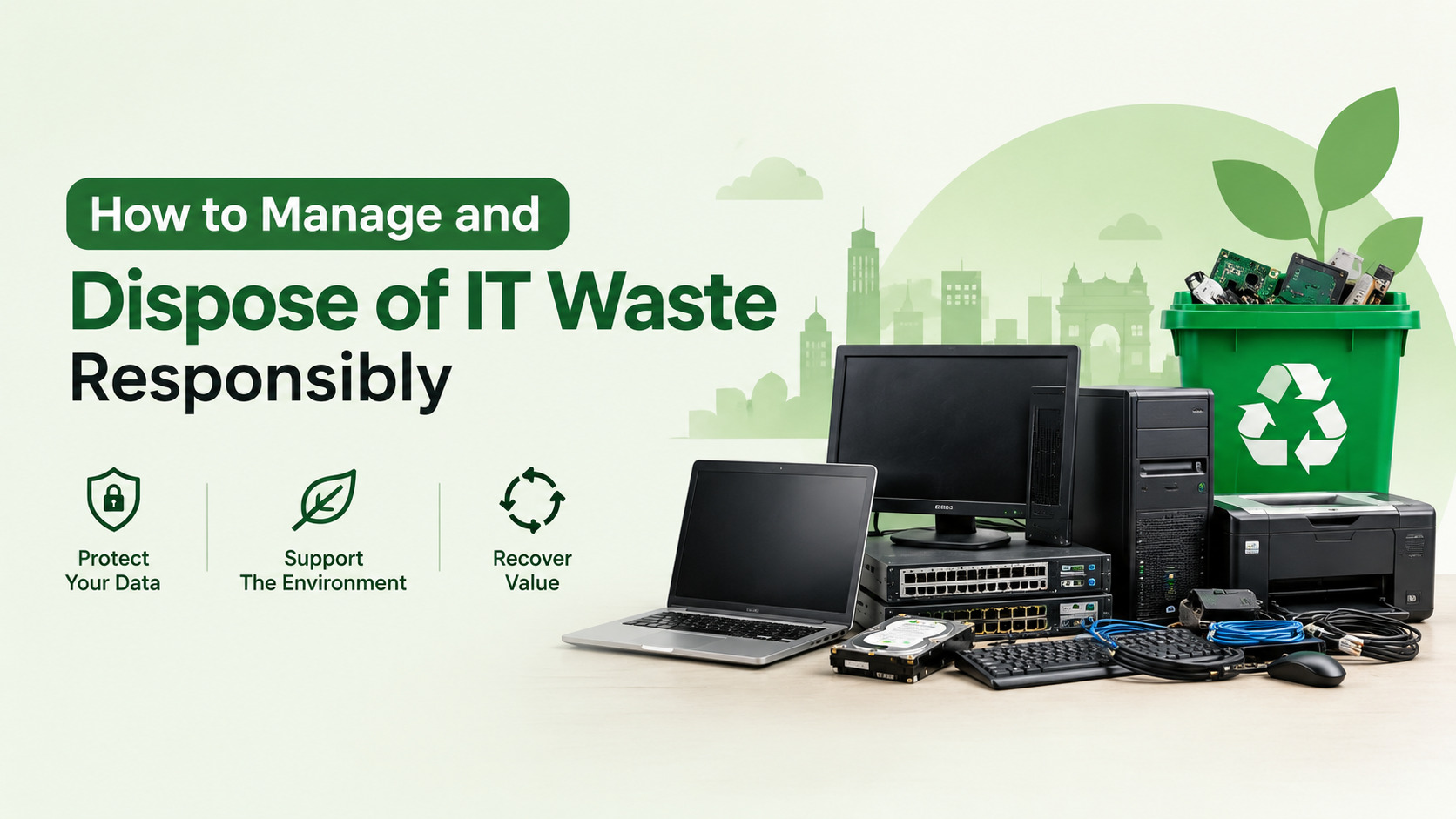
Modern businesses rely on computers, laptops, servers, printers, networking devices, and other electronic equipment to operate efficiently. However, when these devices become outdated, damaged, or unnecessary, they create electronic waste that must be handled responsibly.
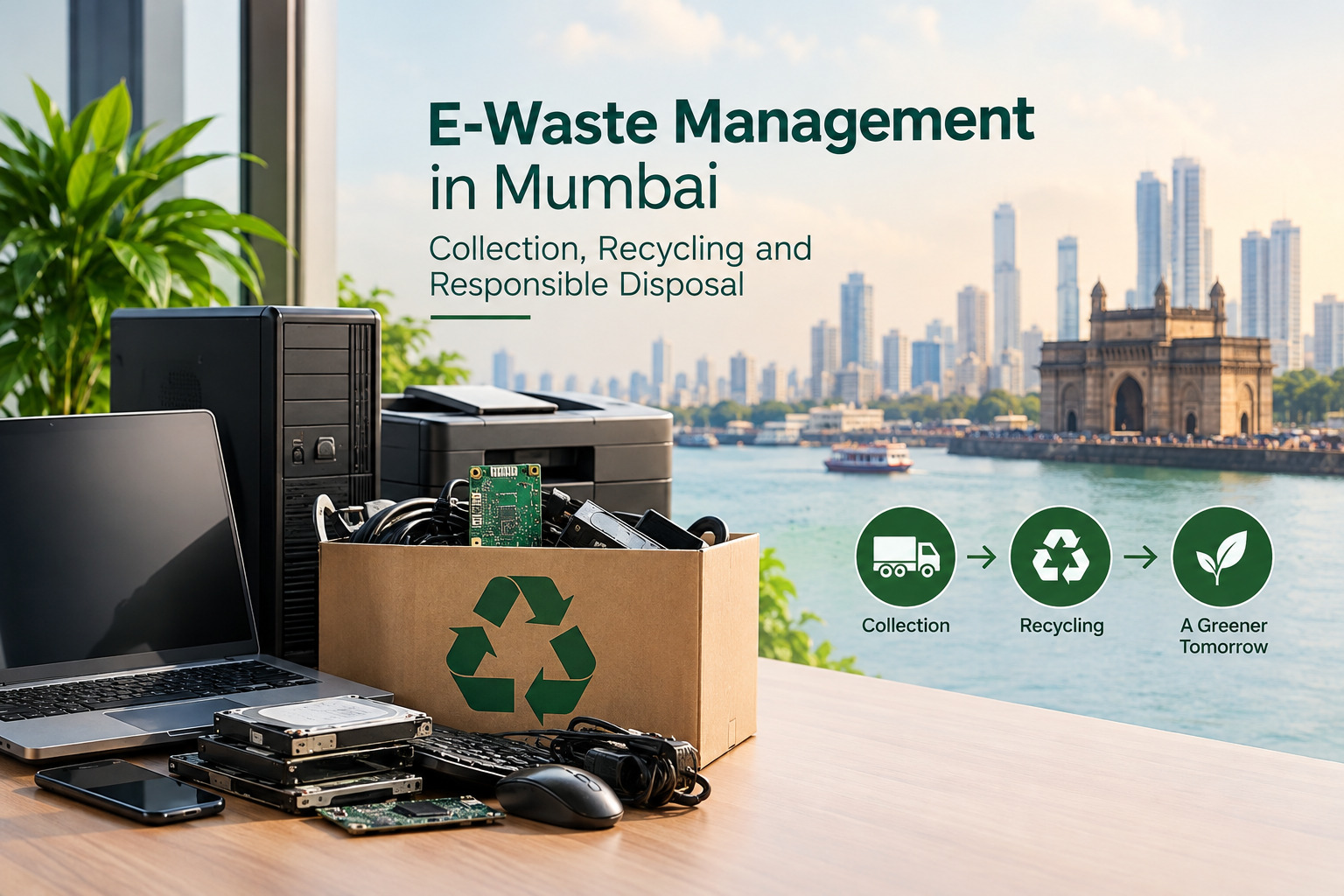
E-Waste Management in Mumbai is increasingly important for corporate offices, IT companies, educational institutions, hospitals, banks, factories, and government organizations that regularly upgrade their electronic infrastructure. Improper disposal can contribute to environmental pollution, while discarded devices may also contain confidential business information.
A well-planned e-waste management process helps organizations manage obsolete equipment, protect sensitive data, recover reusable materials, and maintain appropriate disposal records.
Bhangarwala Waste Management Private Limited (BWM) supports businesses looking for organized electronic waste collection, IT asset recycling, and responsible disposal solutions. With a focus on efficient waste handling and environmental responsibility, businesses can make more informed decisions about managing end-of-life electronics.
E-waste management refers to the organized collection, transportation, sorting, recycling, and responsible disposal of discarded electrical and electronic equipment.
It covers a wide range of items, including:
Effective E-Waste Management in Mumbai involves more than simply removing unwanted devices from a workplace. It requires an appropriate process for handling electronic waste, protecting information stored on devices, and directing recyclable materials towards suitable recovery channels.
Businesses should assess the condition of their equipment, identify data-bearing devices, and work with service providers whose authorization and capabilities match the materials being handled.
Mumbai has a diverse business environment, ranging from financial institutions and IT companies to manufacturing facilities and educational organizations. These workplaces generate different types of electronic waste as equipment reaches the end of its useful life.
Old computers, laptops, servers, and storage devices may contain customer records, employee information, financial documents, passwords, or business files.
Deleting files or formatting a drive does not always provide sufficient assurance that the information is unrecoverable. Businesses should establish a data sanitization or destruction process appropriate to the device, data sensitivity, and applicable requirements.
Working with a Data Destruction Company in Mumbai that can provide suitable methods and documentation can help organizations manage information security risks during IT asset disposal.
Electronic equipment may contain recoverable metals, plastics, glass, and other materials. Some components can also contain hazardous substances that require careful handling.
When electronics are dumped, dismantled improperly, or processed through unsuitable channels, they can contribute to pollution and expose workers to harmful materials.
Responsible recycling helps recover useful resources, reduce avoidable waste, and support more sustainable material management.
Unused computers and electronic equipment can occupy valuable office or storage space. A planned recycling programme helps businesses identify obsolete assets, organize collections, and maintain clearer inventory records.
Professional Corporate E-Waste Management in Mumbai can also support regular equipment replacement cycles, office relocations, data centre upgrades, and large-scale IT asset retirement.
A reliable recycling process should be organized, traceable, and appropriate to the type of equipment involved.
The first step is to identify discarded electronics and estimate their quantities. Businesses should separate data-bearing devices, damaged equipment, and items that may require special handling.
A planned collection process helps minimize disruption to normal operations and ensures that equipment is prepared for transportation.
Businesses should maintain an inventory of equipment being retired, especially when computers, laptops, servers, and storage devices contain sensitive information.
Where appropriate, serial numbers, asset identifiers, collection records, and transfer documentation can help establish accountability throughout the disposal process.
Before data-bearing equipment is reused, refurbished, or recycled, organizations should determine how its stored information will be handled.
Depending on the device and business requirements, suitable approaches may include validated data sanitization or physical destruction of storage media. Organizations should request documentation of completed work where applicable.
Data destruction should be treated as a distinct security requirement, not assumed to be part of every standard recycling service.
Collected electronics are assessed and directed towards suitable reuse, refurbishment, dismantling, or recycling channels, depending on their condition and applicable requirements.
Recoverable materials may include metals, plastics, and selected electronic components. Materials that cannot be recovered safely must be directed to appropriate authorized facilities.
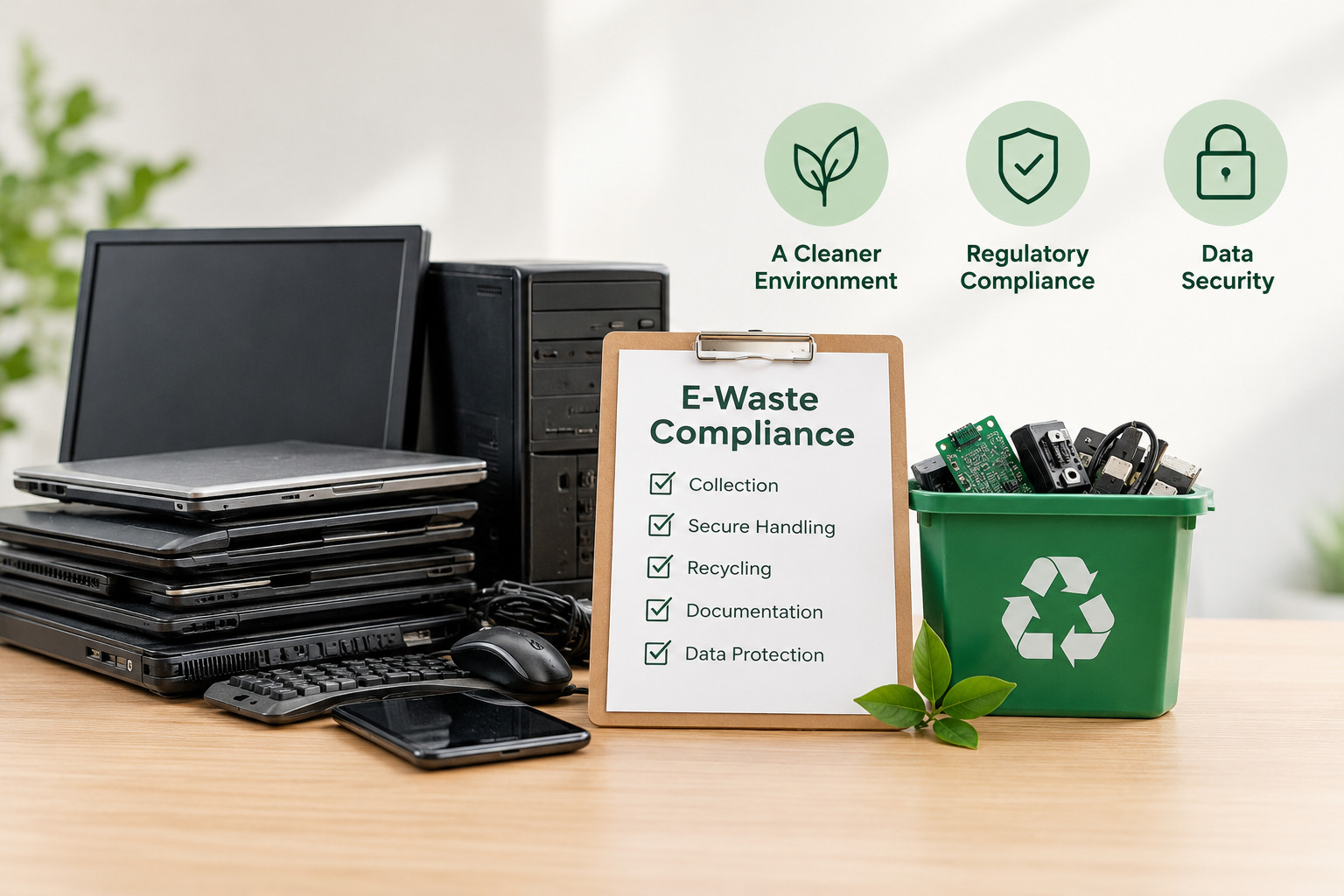
Businesses should retain relevant collection records, asset lists, data destruction certificates where applicable, and recycling or disposal documentation provided by the service provider.
This information can support internal audits, procurement controls, sustainability reporting, and applicable compliance obligations.
Selecting a recycling partner requires more than comparing collection prices. Organizations should evaluate the provider's authorization, handling procedures, data security practices, documentation, and ability to manage their specific equipment.
Consider the following points before making a decision:
An experienced Electronic Recycling Company should be able to explain its process clearly and help businesses understand which services are appropriate for their requirements.
Different organizations generate different electronic waste streams, so their recycling plans should reflect their operational needs.
Offices, educational institutions, and IT departments often replace desktop computers during infrastructure upgrades. Desktop Recycling Mumbai services can help organizations arrange collection and direct retired equipment towards appropriate reuse or recycling channels.
Laptops are widely used in corporate offices, schools, healthcare facilities, and remote-working environments. Laptop Recycling Mumbai solutions should account for portable devices, storage media, batteries, and any confidential information stored on them.
Organizations with multiple offices may need a consistent process for handling obsolete computers across different locations. Computer Recycling India programmes can help businesses establish standardized collection procedures, asset tracking, and responsible processing arrangements.
For organizations seeking E-Waste Management in Mumbai, choosing a service scope that matches their equipment, security needs, and collection volume is an important part of responsible disposal.
Businesses should understand the environmental requirements that apply to their electronic waste and disposal arrangements.
India's E-Waste (Management) Rules, 2022, as amended, establish a regulatory framework for relevant stakeholders involved in electronic waste management. Depending on the organization's role and the equipment involved, applicable obligations may include registration, channelization through authorized entities, recordkeeping, and extended producer responsibility requirements.
Not every business has identical legal responsibilities. Requirements depend on factors such as whether an organization is a producer, manufacturer, refurbisher, recycler, bulk consumer, or another regulated stakeholder.
Before disposing of electronic equipment, businesses should verify the current rules, relevant amendments, and the authorization status of the intended recycling partner. Compliance documentation should be maintained according to the requirements applicable to the organization.
Bhangarwala Waste Management Private Limited (BWM) provides a business-focused option for organizations seeking support with electronic waste collection and responsible recycling arrangements.
For corporate offices, IT companies, educational institutions, banks, healthcare facilities, factories, and data centres, a structured disposal plan can help simplify the handling of obsolete equipment.
Businesses should discuss their equipment categories, collection quantities, data security expectations, documentation needs, and location requirements before finalizing a service arrangement.
By making informed choices about E-Waste Management in Mumbai, organizations can improve electronic waste handling while supporting resource recovery and environmental responsibility.
Electronic waste should not be treated as ordinary office rubbish. It requires appropriate handling, secure management of data-bearing devices, responsible recycling, and attention to applicable environmental regulations.
A well-organized process helps businesses manage outdated equipment, reduce unnecessary storage, improve disposal records, and recover valuable materials wherever feasible.
Bhangarwala Waste Management Private Limited (BWM) can be considered by organizations exploring structured e-waste collection and recycling solutions in Mumbai. Businesses should verify the service provider's relevant authorization, data security procedures, and documentation before proceeding.
Taking a planned approach today can help organizations build more responsible and secure electronic asset disposal practices for the future.
E-waste management involves collecting, sorting, transporting, recycling, and responsibly disposing of discarded electronics. In Mumbai, businesses can use structured processes to manage obsolete computers, laptops, servers, printers, and other electronic equipment.
Businesses should identify data-bearing devices, maintain appropriate asset records, and use suitable data sanitization or destruction methods before reuse or recycling. They should also select an appropriately authorized service provider and retain relevant documentation.
An appropriately authorized recycler can help ensure that covered electronic waste is handled through suitable channels. Businesses should verify the provider's current authorization, service capabilities, documentation practices, and compliance with applicable regulations.
Depending on the provider's capabilities and authorization, business e-waste may include desktop computers, laptops, servers, printers, networking equipment, and other electronic devices. Batteries and specialized equipment may require separate handling arrangements.
Bhangarwala Waste Management Private Limited (BWM) is a potential service option for businesses exploring e-waste collection and recycling arrangements. Organizations should contact the company to confirm current service availability, accepted equipment, collection coverage, data destruction options, and relevant documentation.

Bhangarwala Waste Management Pvt. Ltd. is on a mission to Achieve Sustainability through Circularity by providing Waste Recycling Services for Corporates.