Category: Recycling | 07 Oct 2026
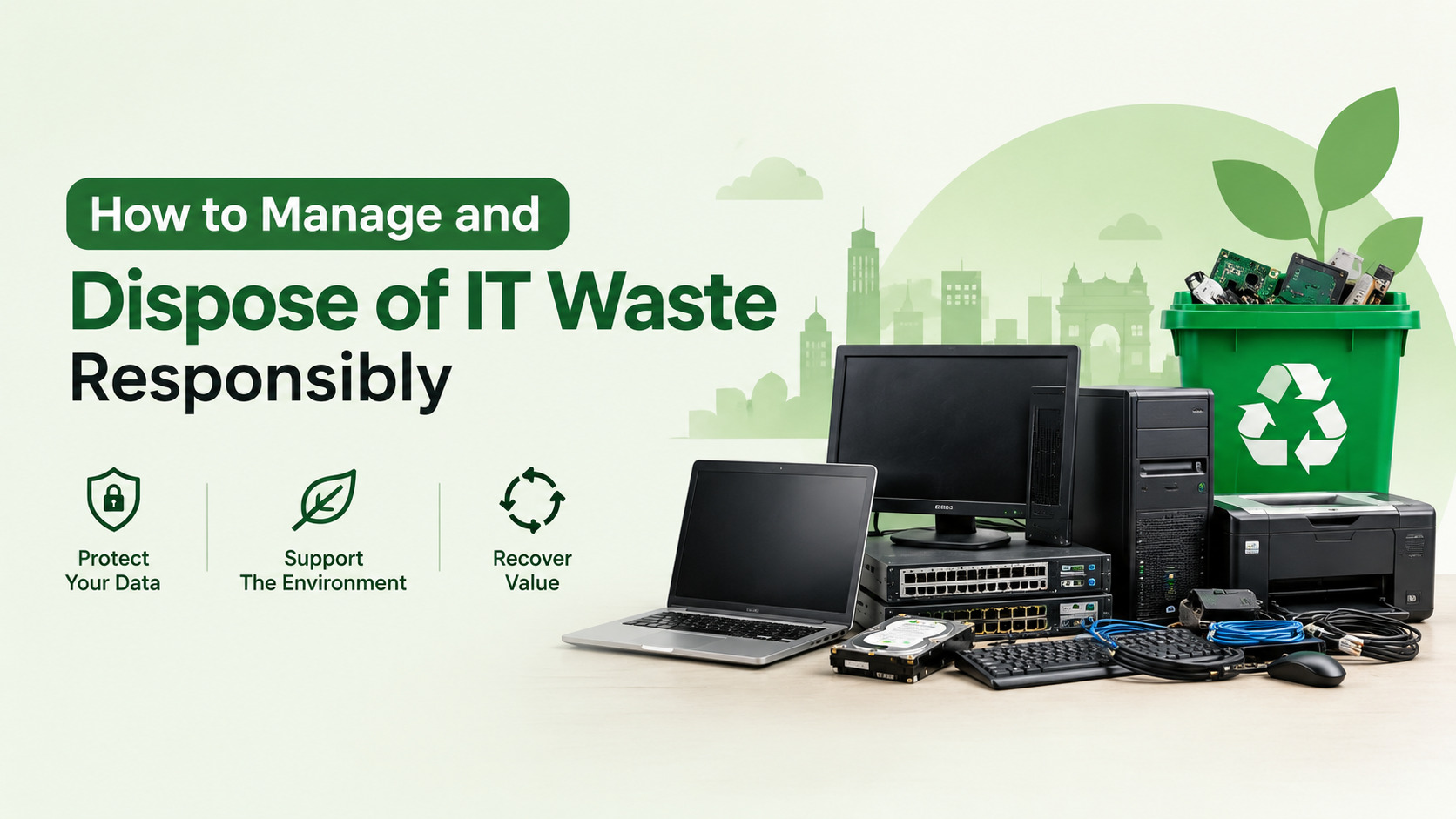
Businesses generate a significant amount of electronic waste as computers, servers, networking equipment, printers, storage devices, and other IT assets reach the end of their useful life. Managing this waste responsibly is not simply about getting rid of outdated equipment. It involves protecting sensitive information, recovering valuable materials, meeting regulatory expectations, and reducing environmental impact.
For organizations in Mumbai, a structured approach to IT Waste Disposal can help turn obsolete technology into a managed resource rather than an environmental or data-security risk. Professional recyclers such as Bhangarwala Waste Management Private Limited (BWM) help businesses manage unwanted IT equipment through secure collection, responsible processing, and environmentally conscious recycling.
IT Waste Disposal refers to the systematic handling, collection, processing, recycling, recovery, and final disposal of obsolete or unwanted information technology equipment.
This can include:
A professional approach ensures that equipment is not simply discarded. Instead, reusable assets may be recovered, while non-reusable components are directed toward appropriate electronics recycling and material recovery processes.
Old IT equipment can contain confidential information even after it has been removed from active use. Customer records, employee information, financial documents, passwords, and business data may remain on storage devices.
Therefore, IT Waste Disposal should always incorporate secure data destruction procedures. Depending on the asset and organizational requirements, this can include verified data wiping, degaussing where appropriate, or physical destruction of storage media.
Professional Data Wiping Services can help organizations establish a documented process for securely removing information before equipment is recycled, reused, or recovered.
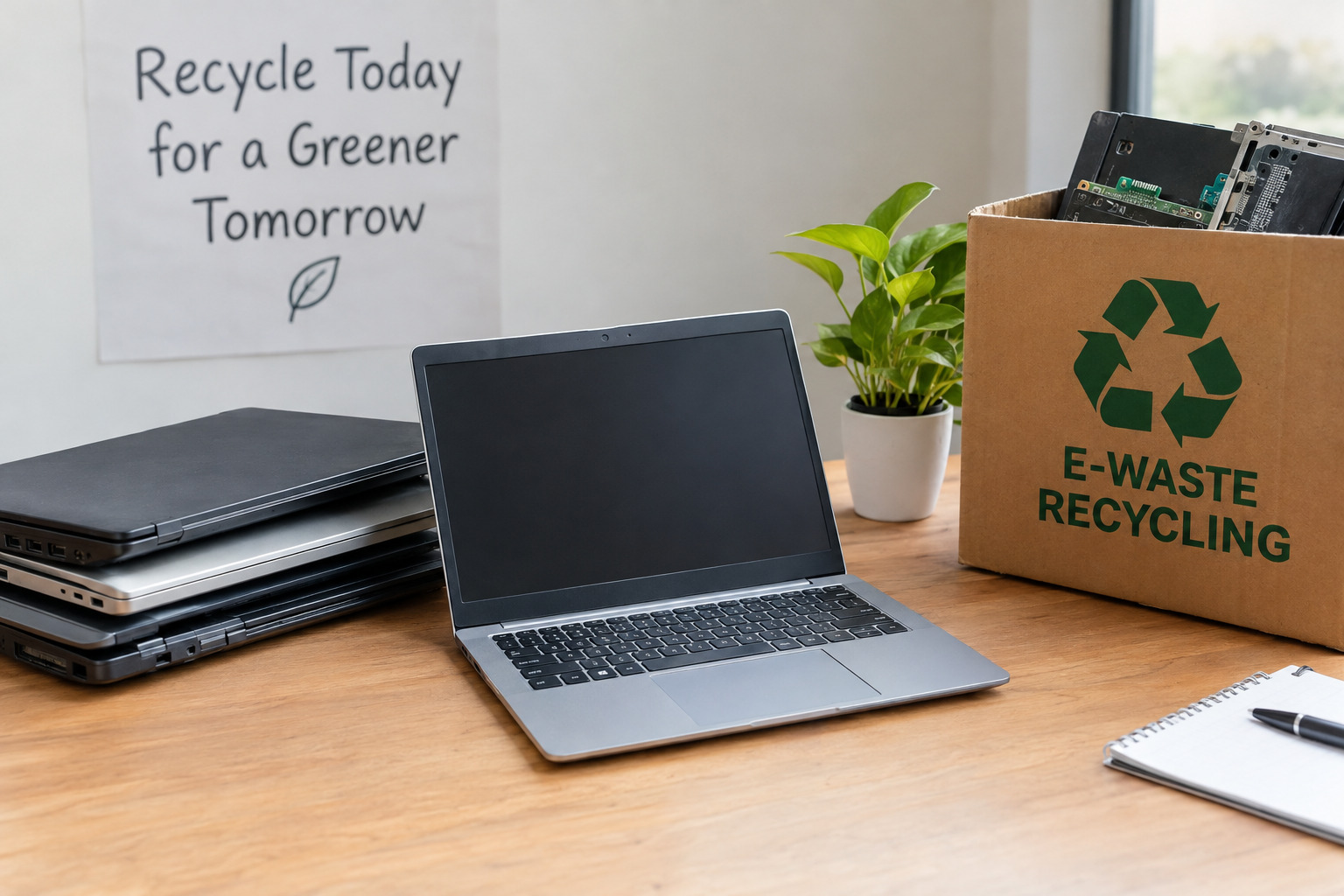
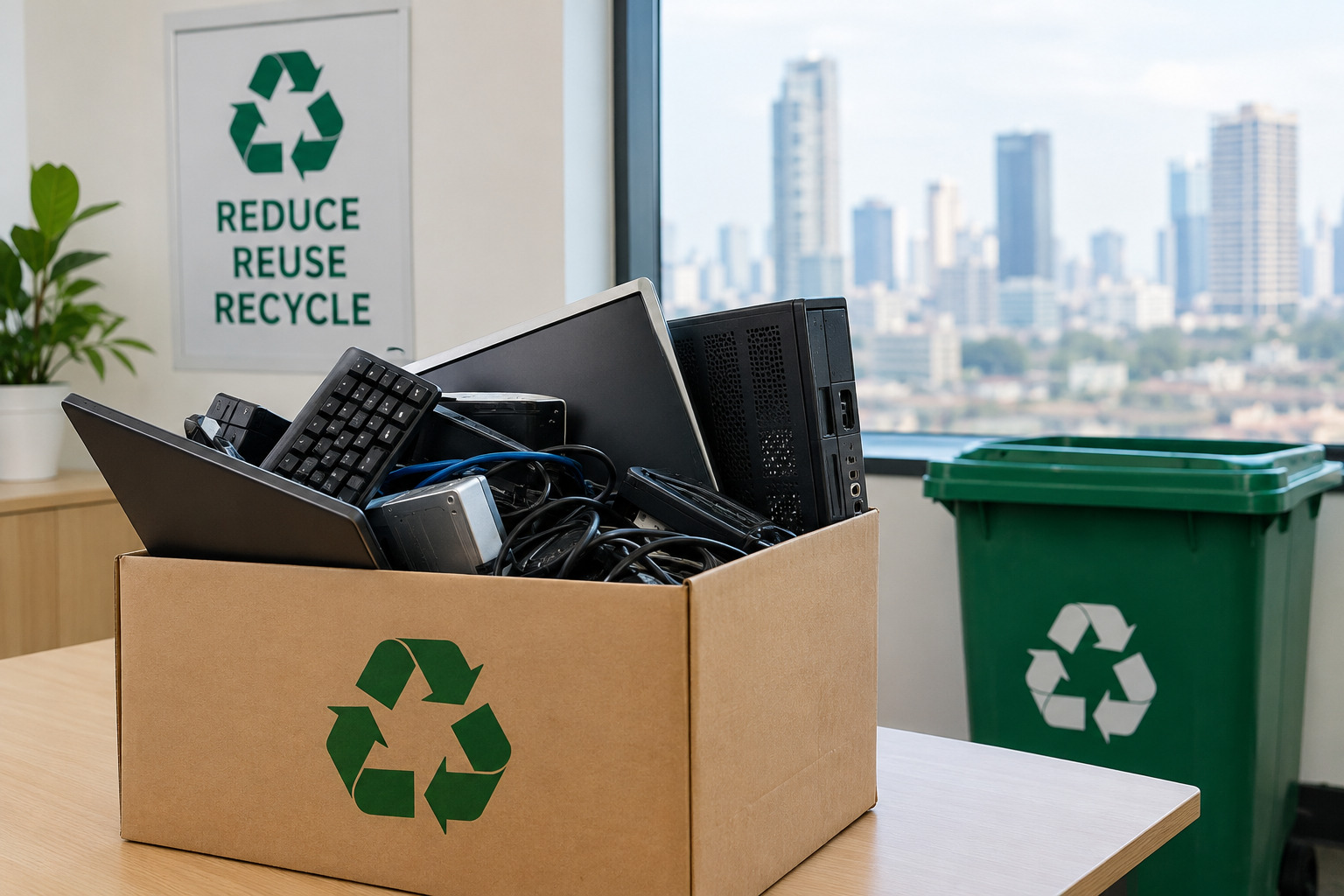
Electronic equipment contains materials such as metals, plastics, glass, and other components that can potentially be recovered. Sending obsolete electronics through responsible electronics recycling channels reduces unnecessary landfill disposal and supports resource recovery.
Responsible recycling also helps prevent improper handling of electronic components that could create environmental risks.
Obsolete does not always mean worthless. Some equipment can still have resale, refurbishment, component, or material value.
An effective IT Asset Recovery process evaluates equipment for reuse or recovery before recycling. Businesses may also consider an IT Buyback program where eligible equipment has residual market value.
This approach can help organizations recover financial value while reducing the volume of equipment requiring end-of-life processing.
Good IT Asset Management begins well before equipment becomes waste. Organizations should maintain accurate records of IT assets, including their location, ownership, condition, age, and lifecycle status.
A structured process can include:
This lifecycle-based approach makes IT Waste Disposal more controlled, transparent, and efficient.
ITAD, or IT Asset Disposition, refers to the structured process of managing IT equipment when it reaches the end of its operational lifecycle.
A professional ITAD program can cover asset collection, transportation, inventory management, data sanitization, refurbishment, resale, component recovery, recycling, and final disposition.
For larger organizations, IT asset disposition provides a framework for managing thousands of devices across multiple offices, branches, warehouses, or data centers.
Bhangarwala Waste Management Private Limited (BWM) can support businesses seeking organized approaches to electronic asset collection and responsible recycling, helping organizations manage end-of-life equipment with greater accountability.
The right IT Disposal Solutions should address more than transportation. Businesses should evaluate whether their recycling partner can provide secure handling, transparent processes, appropriate documentation, and responsible downstream recycling.
Organizations should consider:
These considerations are particularly important for banks, healthcare organizations, government offices, IT companies, and data centers that may handle sensitive information.
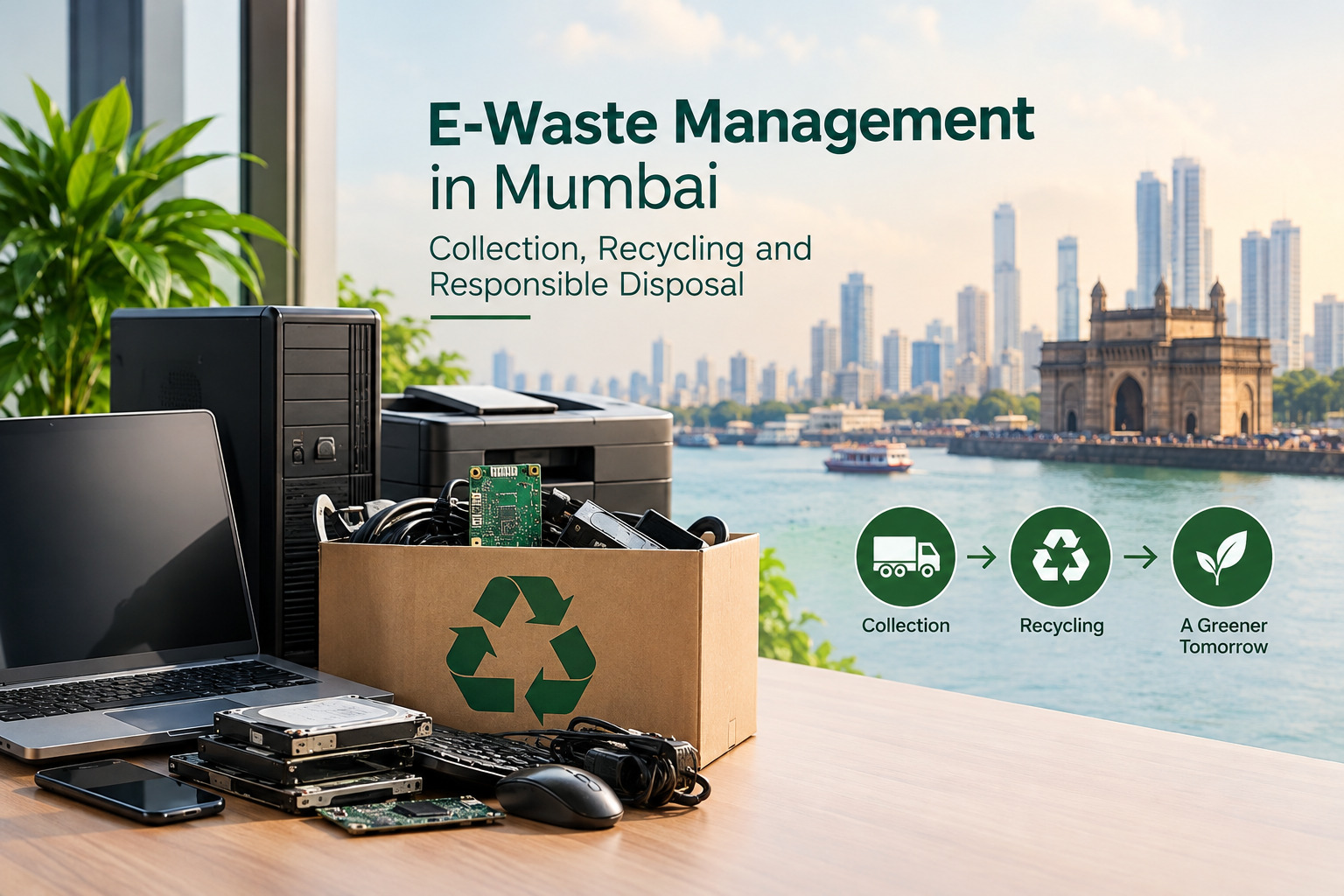
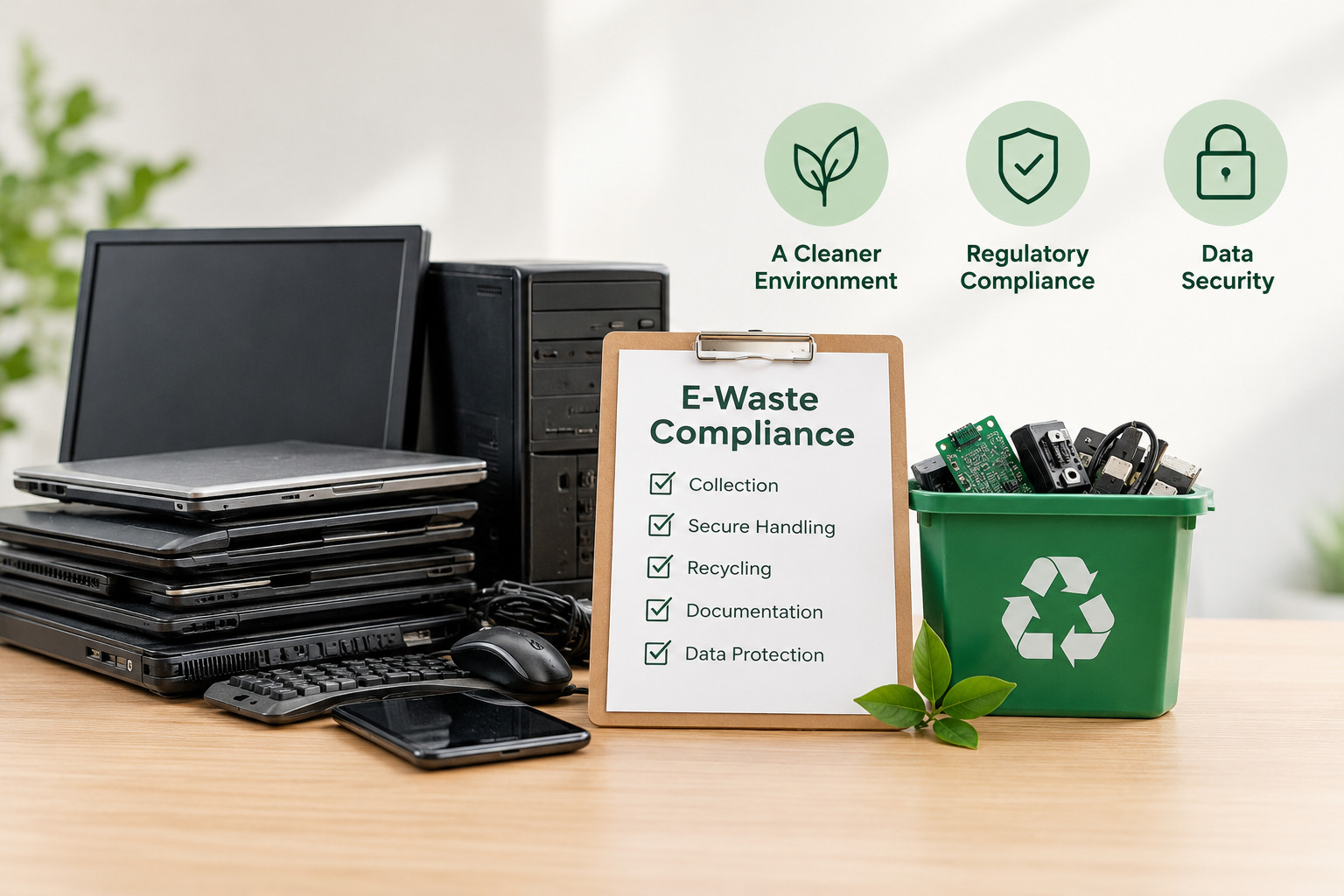
Businesses operating in Mumbai should treat electronic waste management as an important part of their environmental responsibility. India has established regulatory frameworks for e-waste management, making responsible collection, recycling, and record-keeping important considerations for organizations generating electronic waste.
Instead of sending outdated equipment into informal disposal channels, businesses should work with responsible recycling partners and maintain appropriate documentation for their waste management activities.
Bhangarwala Waste Management Private Limited (BWM) provides a business-focused approach to e-waste management, helping organizations address their disposal requirements while keeping data security and environmental responsibility in focus.
A responsible IT Waste Disposal strategy follows the waste hierarchy: reuse where practical, recover value where possible, recycle suitable materials, and ensure that residual waste is handled appropriately.
For example, a company replacing hundreds of computers may first identify equipment suitable for reuse or resale. Storage devices can then undergo secure data sanitization, while damaged or obsolete components can move into appropriate recycling streams.
This model supports the principles of the circular economy by keeping useful materials in productive use for longer and reducing unnecessary resource consumption.
Responsible IT Waste Disposal is an essential part of modern business operations. It combines data security, asset recovery, environmental protection, and responsible recycling into a structured end-of-life process.
For organizations in Mumbai, selecting an experienced recycling partner can make the process more secure and manageable. Bhangarwala Waste Management Private Limited (BWM) helps businesses approach electronic waste responsibly, with solutions focused on secure handling, resource recovery, and sustainable recycling.
Whether an organization is replacing office computers, decommissioning servers, upgrading data-center infrastructure, or managing large volumes of obsolete electronics, responsible IT Waste Disposal can protect business information while supporting a more sustainable future.
IT Waste Disposal is the responsible collection, data sanitization, reuse, recovery, recycling, and final processing of obsolete or unwanted IT equipment.
Storage devices may retain confidential information even after equipment is no longer in use. Secure data wiping or destruction helps prevent unauthorized access to sensitive business information.
Yes. Certain computers, servers, networking devices, and other equipment may have resale, refurbishment, component, or material value. IT Asset Recovery and IT Buyback programs can help organizations identify potential value.
Equipment can be assessed for reuse, refurbishment, recovery, or recycling. Non-reusable components are processed through appropriate recycling channels to recover materials and reduce environmental impact.
Businesses should maintain an asset inventory, securely remove sensitive data, assess equipment for reuse or recovery, use responsible recycling channels, and retain appropriate disposal documentation.

Bhangarwala Waste Management Pvt. Ltd. is on a mission to Achieve Sustainability through Circularity by providing Waste Recycling Services for Corporates.
