
Extended Producer Responsibility (EPR) is an environmental policy concept and regulatory approach that places the responsibility for the entire lifecycle of a product on the manufacturers and producers. EPR aims to promote environmental sustainability by shifting the burden of managing and disposing of products and their associated waste away from consumers and local governments and onto the companies that design, produce, and market those products.
EPR is applied to a wide range of products, including electronics, batteries, packaging, tires, and hazardous materials. This approach encourages producers to consider the environmental impact of their products and make efforts to reduce waste and pollution throughout a product's life cycle.
Who needs to Register for EPR
Extended Producer Responsibility (EPR) in India is primarily regulated by the Central Pollution Control Board (CPCB) under the E-Waste (Management) Rules, 2016 and the Plastic Waste Management Rules, 2016.
Typically, the entities that need to register on the EPR portal in India include:
Manufacturers and Producers: Producers or manufacturers of electronic and electrical equipment (EEE) or plastic products, as specified in the respective EPR rules, are required to register on the EPR portal.
Brand Owners: Brand owners of EEE or plastic products that are registered in India are often obligated to fulfill their EPR obligations, which may include registration on the EPR portal.
Producers' Responsibility Organizations (PROs): In some cases, producers may choose to work through PROs, which are organizations or agencies that assist in fulfilling EPR obligations. These PROs may also need to register on the EPR portal.
Bulk Consumers: Certain large-scale consumers of EEE or plastic products, such as government agencies, public sector undertakings, and institutions, may be required to ensure proper disposal and recycling of the waste generated from the products they use.

Implementation of EPR through EEE Categories
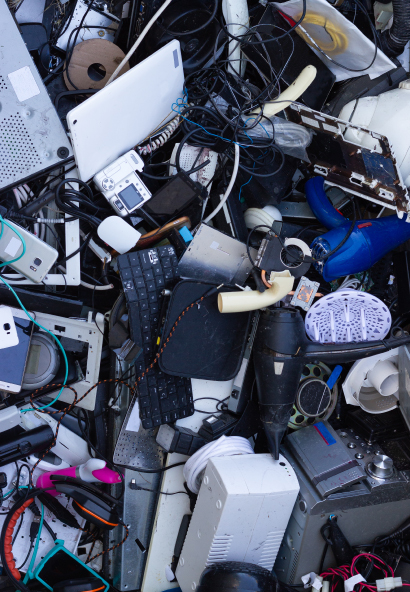
In the context of Extended Producer Responsibility (EPR) in India, "EEE" stands for "Electrical and Electronic Equipment." The EEE categories for EPR typically refer to the various types of electrical and electronic products that fall under the regulatory framework for responsible management of waste generated from these products. These categories are defined under the E-Waste (Management) Rules, 2016.
The specific categories of EEE products covered under EPR in India include:
Information Technology and Telecommunication Equipment (ITE): This category includes products like computers, laptops, servers, computer peripherals, mobile phones, telephones, fax machines, and other devices related to information technology and telecommunications.
Consumer Electrical and Electronic Equipment (CEE): CEE includes household appliances and electronics, such as televisions, refrigerators, washing machines, air conditioners, and other common electrical devices used in homes.
Lighting Equipment: This category covers lighting products, including fluorescent lamps, LED lamps, and other types of lighting equipment.
Electrical and Electronic Tools: It encompasses various power tools, such as drills, saws, grinders, and other handheld or stationary tools that run on electricity.
Toys, Leisure, and Sports Equipment: This category includes electronic and electrical toys, gaming consoles, sports equipment with electrical components, and other recreational devices.
Benefits of EPR Program of BWM
Waste Reduction
EPR programs promote the recycling and responsible disposal of products, reducing the amount of waste sent to landfills and incineration facilities.
Resource Conservation
By encouraging sustainable design and recycling, EPR helps conserve natural resources and reduces the demand for new raw materials.
Pollution Prevention
EPR can lead to the elimination or reduction of toxic substances in products, benefiting both the environment and public health.
Cost Savings
EPR can create economic incentives for manufacturers to produce longer-lasting and more easily recyclable products, potentially reducing production and disposal costs.
Job Creation
The establishment of collection and recycling systems under EPR can lead to the creation of jobs in the recycling and waste management industries.
Legal Compliance
EPR regulations help ensure that companies comply with environmental laws and meet their responsibilities for waste management.
Extended Producer Responsibility is a forward-thinking approach to environmental stewardship that holds producers accountable for the entire life cycle of their products. But the implementation of EPR Programs can be complex, requiring cooperation among manufacturers, governments, and other stakeholders. There may also be resistance from industries that are not accustomed to taking on the financial and logistical burdens of product collection and recycling. Additionally, achieving a high level of compliance and transparency from producers can be challenging.

Bhangarwala Waste Management Pvt. Ltd. is on a mission to Achieve Sustainability through Circularity by providing Waste Recycling Services for Corporates.
