Category: Recycling | 12 Oct 2026
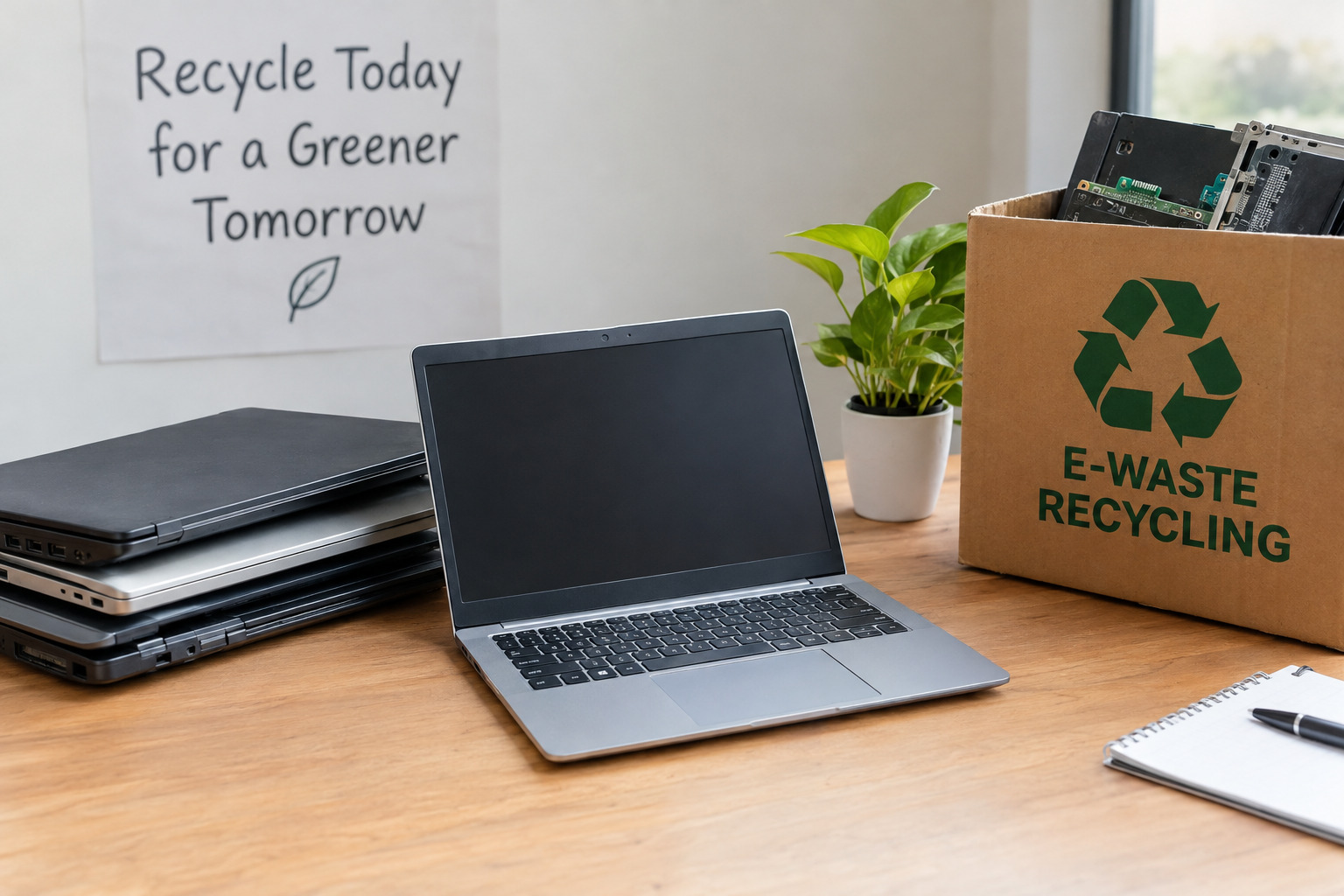
Old laptops often accumulate in corporate offices, IT companies, educational institutions, banks, hospitals, and other organizations. As businesses upgrade their technology, outdated or damaged devices need to be handled responsibly. Simply throwing away old laptops can create environmental concerns and expose organizations to data security risks.
Laptop Recycling in Mumbai provides businesses with a responsible way to manage retired electronic equipment. Through proper collection, secure data sanitization, component recovery, and authorized recycling channels, organizations can reduce electronic waste while protecting confidential information.
Bhangarwala Waste Management Private Limited (BWM) helps businesses understand the importance of responsible electronic waste management. Choosing a suitable recycling partner allows organizations to manage unwanted IT equipment more efficiently while supporting environmental sustainability and applicable compliance requirements.
Mumbai is home to corporate offices, financial institutions, IT companies, manufacturing units, and educational organizations that regularly upgrade their computer systems. These upgrades generate electronic waste that requires careful handling.
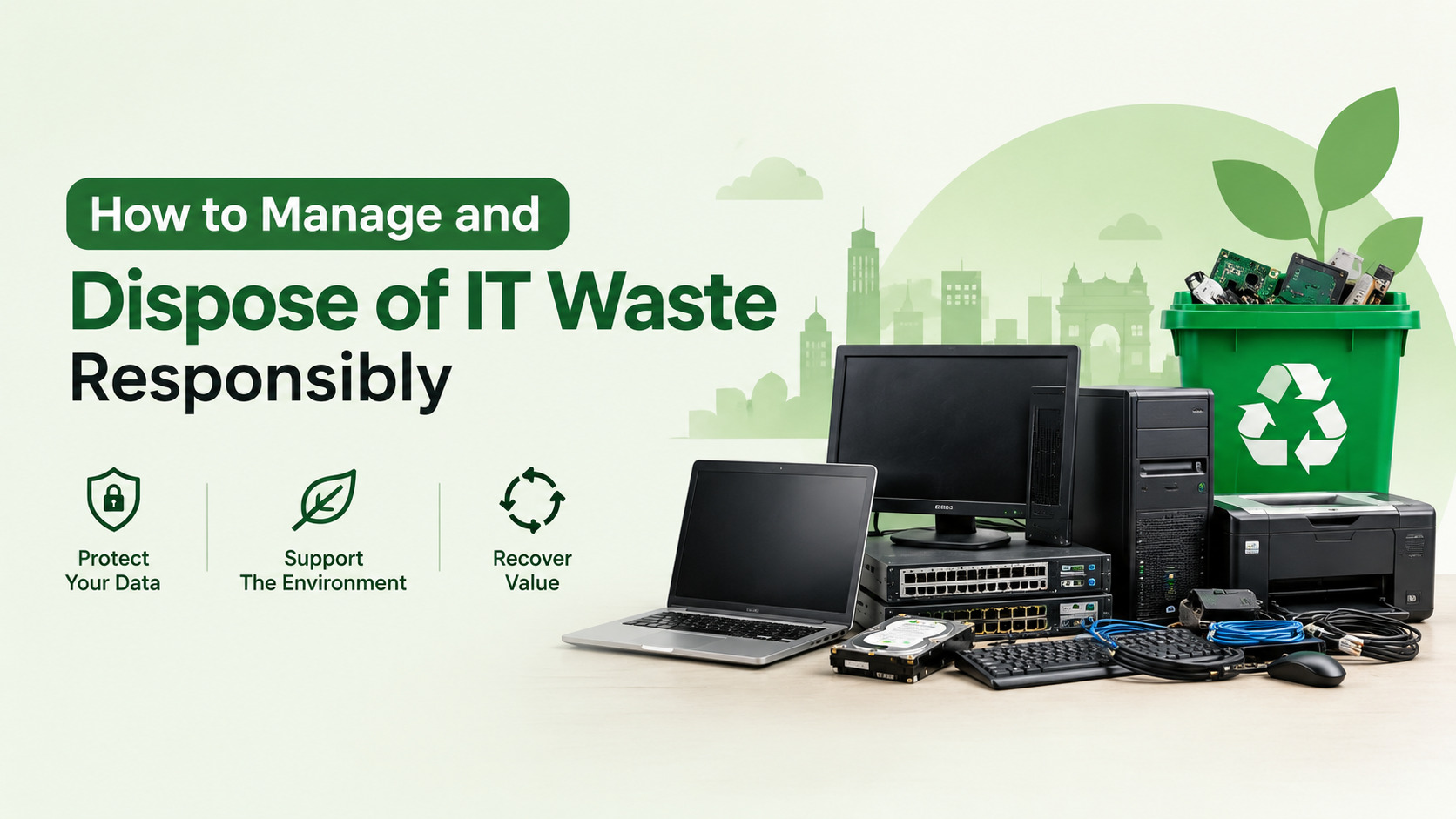
Professional Laptop Recycling in Mumbai helps businesses address three important priorities: information security, environmental protection, and responsible resource recovery.
Old laptops may contain customer information, financial records, employee details, business documents, and confidential communications. Deleting files or performing a factory reset does not always ensure that stored information cannot be recovered.
Businesses should establish a secure IT asset disposal process that includes suitable data sanitization or physical destruction of storage media when necessary. Maintaining asset records and obtaining relevant data destruction documentation can also strengthen accountability.
An experienced Electronic Recycling Company should be able to explain its data handling procedures and how it protects sensitive information throughout the recycling process.
Electronic equipment contains plastics, metals, batteries, circuit boards, and other materials that require specialized handling. Improper disposal can contribute to pollution and create safety risks.
Responsible laptop recycling directs unwanted equipment into suitable reuse, dismantling, and material recovery channels. This approach helps reduce unnecessary landfill disposal and supports more sustainable resource use.
Even laptops that no longer function may contain recoverable materials. Metals, plastics, cables, and electronic components can be separated and directed towards appropriate recovery processes.
Where devices remain functional or repairable, reuse and refurbishment may extend their useful life. Equipment that cannot be reused should be processed through appropriate recycling channels.
Understanding the recycling process helps businesses make informed decisions about their retired IT equipment. Although procedures vary, responsible Laptop Recycling in Mumbai generally involves several stages.
The process begins with collecting unwanted laptops and recording relevant asset information. Businesses can maintain details such as device type, quantity, asset identification numbers, and equipment condition.
Organized collection is especially useful for companies managing large numbers of computers across multiple departments or locations.
Collected laptops are inspected to determine whether they can be reused, repaired, or recycled. Working devices and repairable equipment may be suitable for refurbishment, while severely damaged devices may require dismantling.
Organizations seeking computer recycling india services should consider whether the recycling process includes appropriate inspection, sorting, and responsible handling of different components.
Data security should remain a priority before laptops are reused, refurbished, or dismantled. Depending on the storage technology and security requirements, suitable methods may include verified data wiping or physical destruction of storage media.
Businesses should discuss their requirements with their recycling provider and request relevant documentation where available. Clear asset tracking and a documented chain of custody can further strengthen data protection practices.
After the required data security procedures are completed, unsuitable laptops can be dismantled by trained personnel. Batteries, circuit boards, cables, plastics, metals, and other components are separated for appropriate processing.
Lithium-ion batteries require particular care because damaged batteries can present fire and safety risks. They should be handled and routed through suitable channels.
Separated components are sent for appropriate recycling and recovery. Depending on their composition, some materials can be recovered for use in manufacturing, helping reduce reliance on newly extracted resources.
Businesses looking for Desktop Recycling Mumbai can apply similar principles when managing outdated desktop computers, monitors, and related IT equipment. Both laptop and desktop recycling require responsible handling, secure data management where applicable, and suitable downstream processing.
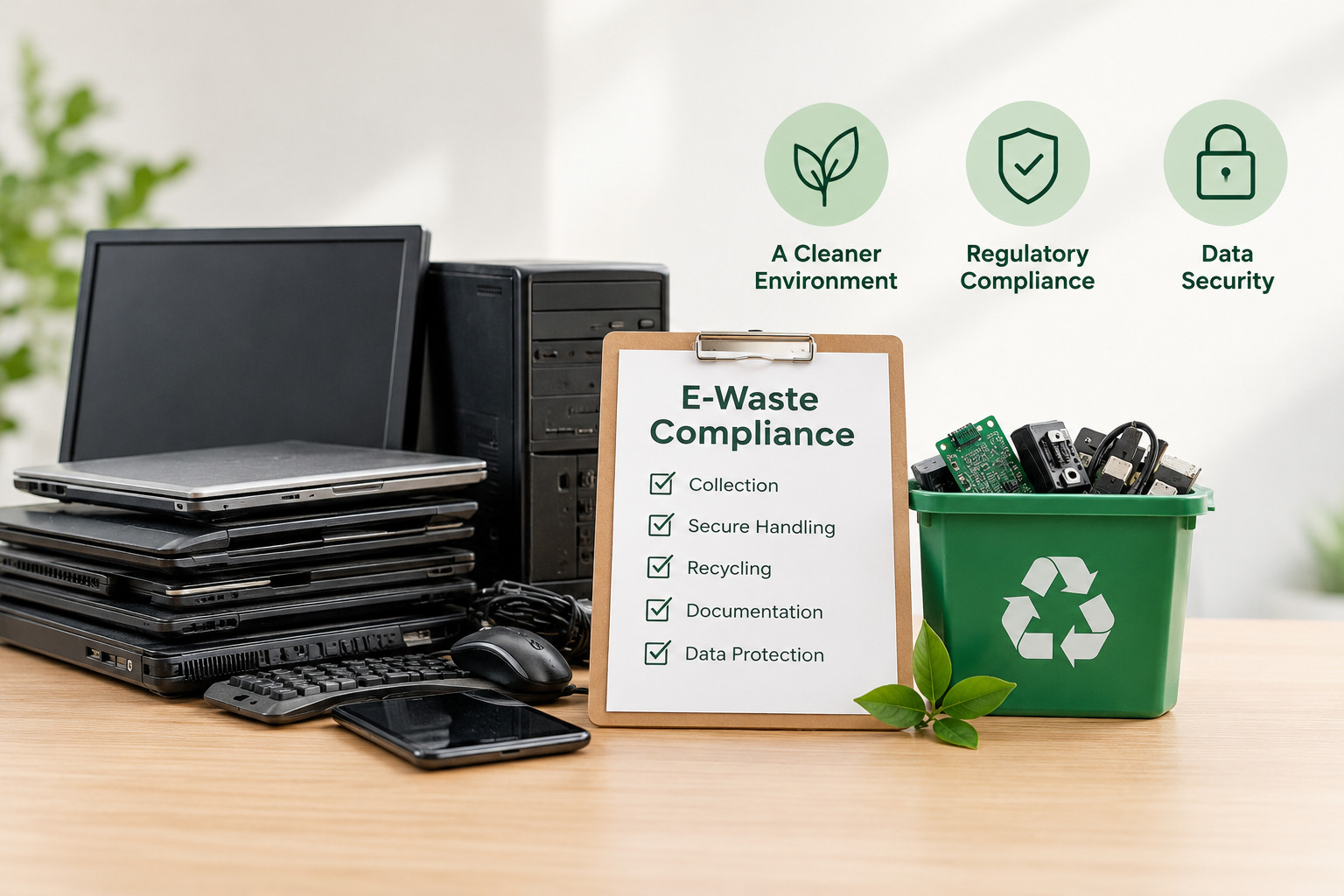
Businesses should maintain appropriate records of equipment collection, transfer, data sanitization where applicable, and recycling or downstream processing.
These records support internal audits, asset management, and compliance monitoring. Documentation requirements depend on the equipment, the organization's role, and applicable regulations.
Selecting a recycling partner involves more than comparing collection charges. Businesses should assess the provider's handling procedures, relevant authorizations, data security practices, and documentation.
Consider these important factors:
For organizations searching for a laptop disposal company in Mumbai, these checks help establish whether a provider can meet their operational and security requirements.
Bhangarwala Waste Management Private Limited (BWM) supports businesses exploring organized electronic waste management solutions. Companies should discuss their inventory, collection requirements, data protection expectations, and documentation needs before selecting a service.
Large organizations often retire laptops, desktop computers, servers, networking equipment, and other electronic assets in bulk. Managing these items without a structured process can create inventory challenges, security risks, and unnecessary waste.
Corporate E-Waste Management in Mumbai helps organizations establish a more systematic approach to collecting, tracking, and responsibly processing outdated IT equipment.
A suitable management plan can include regular asset reviews, scheduled collections, secure data handling, reuse assessments, and documentation of recycling activities. These practices are useful for IT companies, banks, educational institutions, healthcare facilities, factories, and other organizations that generate electronic waste.
Businesses searching for an E-Waste Management Company India should evaluate the provider's service coverage, relevant authorizations, traceability, and ability to manage their specific requirements rather than relying on price alone.
BWM – Bhangarwala Waste Management Private Limited – encourages businesses to make informed decisions about their retired electronics and prioritize secure, traceable, and environmentally responsible handling.
Electronic waste management in India is governed by applicable environmental legislation, including the E-Waste (Management) Rules, 2022, as amended. The regulatory framework establishes requirements for relevant entities involved in the management and recycling of covered electronic waste.
Businesses should identify the obligations applicable to their activities and verify the status of recycling facilities and downstream partners where required. Depending on their role, organizations may also need to maintain records and meet relevant extended producer responsibility or other regulatory requirements.
Working with a suitable recycling provider is an important part of responsible disposal, but outsourcing collection does not automatically remove every legal obligation. Businesses should verify applicable requirements and maintain appropriate documentation.
An Electronic Recycling Company that understands the importance of traceability, responsible processing, and regulatory awareness can help organizations make better-informed disposal decisions.
Laptop recycling should form part of a broader IT asset management strategy rather than being treated as a one-time activity.
Businesses can improve their approach by maintaining an updated equipment inventory, reviewing devices before replacement, protecting confidential data, and arranging responsible collection when equipment reaches the end of its useful life.
A structured approach to Laptop Recycling in Mumbai can help businesses manage retired equipment more efficiently while supporting environmental goals.
Bhangarwala Waste Management Private Limited (BWM) encourages organizations to consider secure data handling, responsible recycling, and appropriate documentation when planning their electronic waste management activities.
Old laptops should not be treated as ordinary office waste. They may contain sensitive business information, reusable components, and materials that require specialized handling. A responsible recycling process combines secure data management, careful dismantling, material recovery, and awareness of applicable environmental requirements.
For businesses in Mumbai, Laptop Recycling in Mumbai offers a practical approach to managing retired IT equipment responsibly. By evaluating recycling providers carefully and maintaining clear internal procedures, organizations can protect information, reduce improper disposal, and support more sustainable resource use.
Bhangarwala Waste Management Private Limited (BWM) encourages businesses to adopt informed, secure, and environmentally responsible practices when managing their old laptops and other electronic assets.
Old laptops are inspected for reuse or refurbishment. Devices that cannot be reused may be dismantled, and their components are separated for suitable recycling and material recovery.
Professional recycling helps businesses manage electronic waste responsibly, protect sensitive information, maintain relevant records, and direct equipment into appropriate recycling channels.
Businesses should use appropriate data sanitization methods or arrange physical destruction of storage media when necessary. They should also maintain asset records and request relevant documentation.
Yes. Businesses can arrange suitable recycling for laptops, desktop computers, and other electronic equipment. The provider should assess each equipment category and ensure that its components are handled through appropriate channels.
Businesses should check relevant authorizations, collection arrangements, data security practices, documentation, material recovery procedures, and the provider's ability to meet their operational requirements.

Bhangarwala Waste Management Pvt. Ltd. is on a mission to Achieve Sustainability through Circularity by providing Waste Recycling Services for Corporates.
