
Category: Recycling | 27 Oct 2026
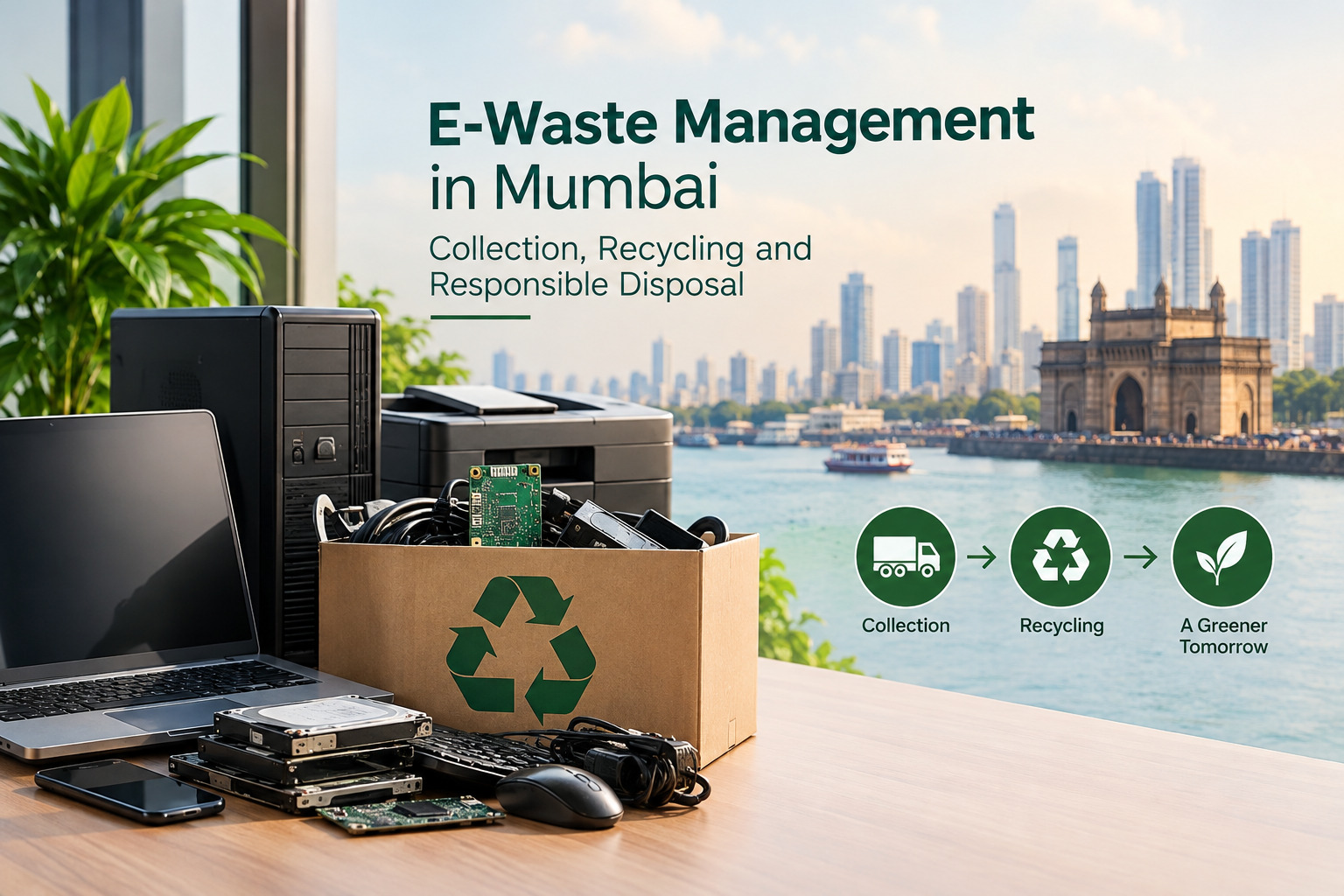
Bhangarwala Waste Management Private Limited (BWM) supports businesses looking for responsible ways to manage electronic waste and obsolete IT equipment. For organizations seeking Desktop Disposal in Mumbai, a structured approach can help simplify equipment clearance while addressing environmental responsibility, data security, and applicable compliance requirements.
Under the leadership of Indrajeet Gupta and Harsha Bhalerao, Directors at BWM, the company focuses on helping businesses understand their e-waste management requirements and explore suitable disposal and recycling solutions.
Whether a company is upgrading office computers, clearing unused desktop systems, or managing outdated IT equipment in bulk, BWM encourages businesses to plan the disposal process carefully. Organizations can contact the team to discuss collection arrangements, equipment handling, documentation, and applicable data security procedures before proceeding with disposal.
By choosing an appropriate e-waste management process, businesses can manage old computers more responsibly while supporting sustainable recycling practices in Mumbai.
Old desktop computers contain a combination of recyclable materials, electronic components, and potentially hazardous substances. When discarded carelessly, these devices can contribute to pollution and the loss of valuable resources.
For businesses, the concerns go beyond the environment. Unused computers may contain customer records, employee information, financial documents, login details, and confidential company files.
Choosing professional Desktop Disposal in Mumbai helps businesses address these concerns through a more structured approach.
Key reasons to dispose of old desktops responsibly include:
A responsible disposal process begins with identifying the equipment and determining how it should be handled. Businesses with multiple computers should maintain an inventory before arranging collection or recycling.
1. Identify and Inventory Old Computers
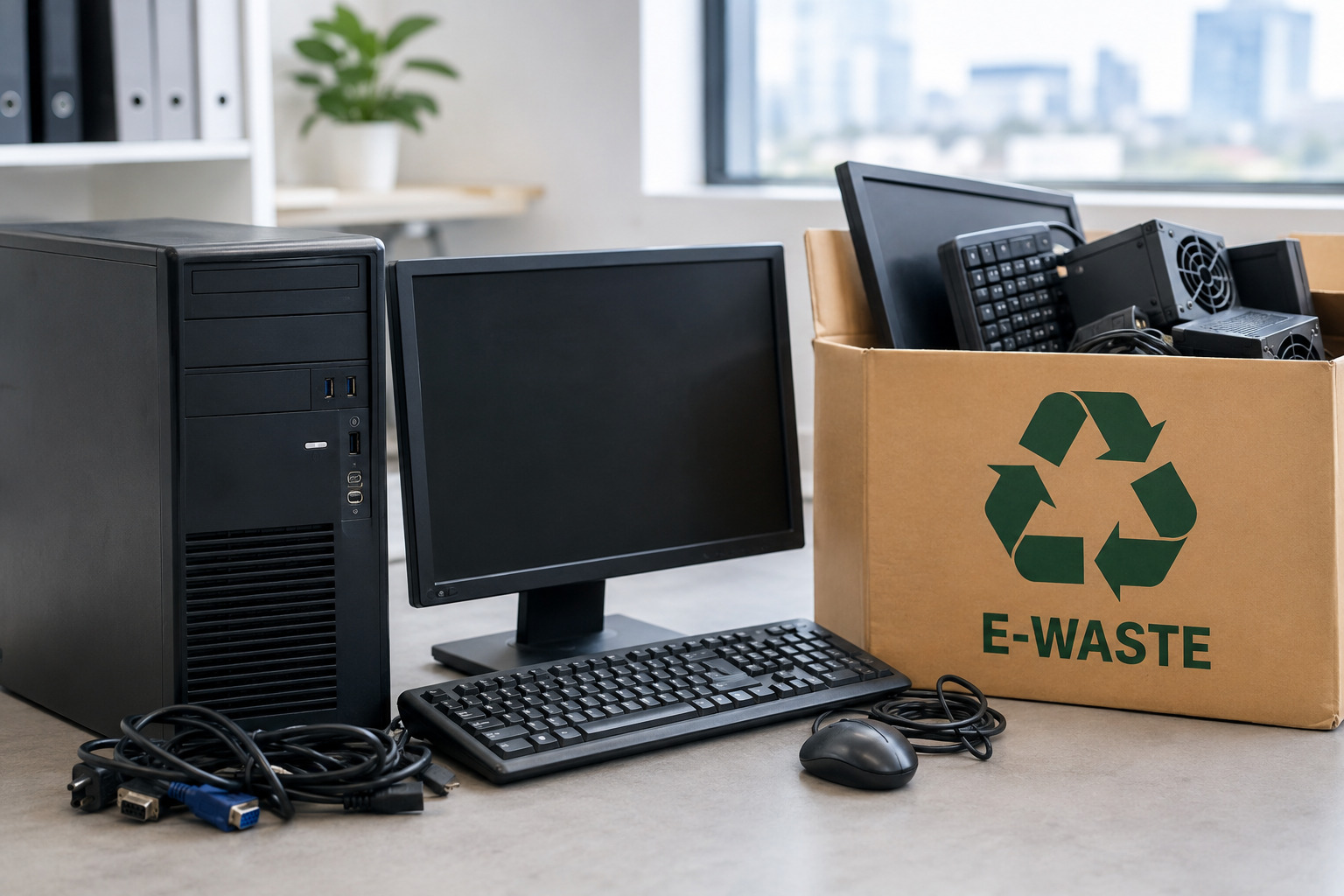
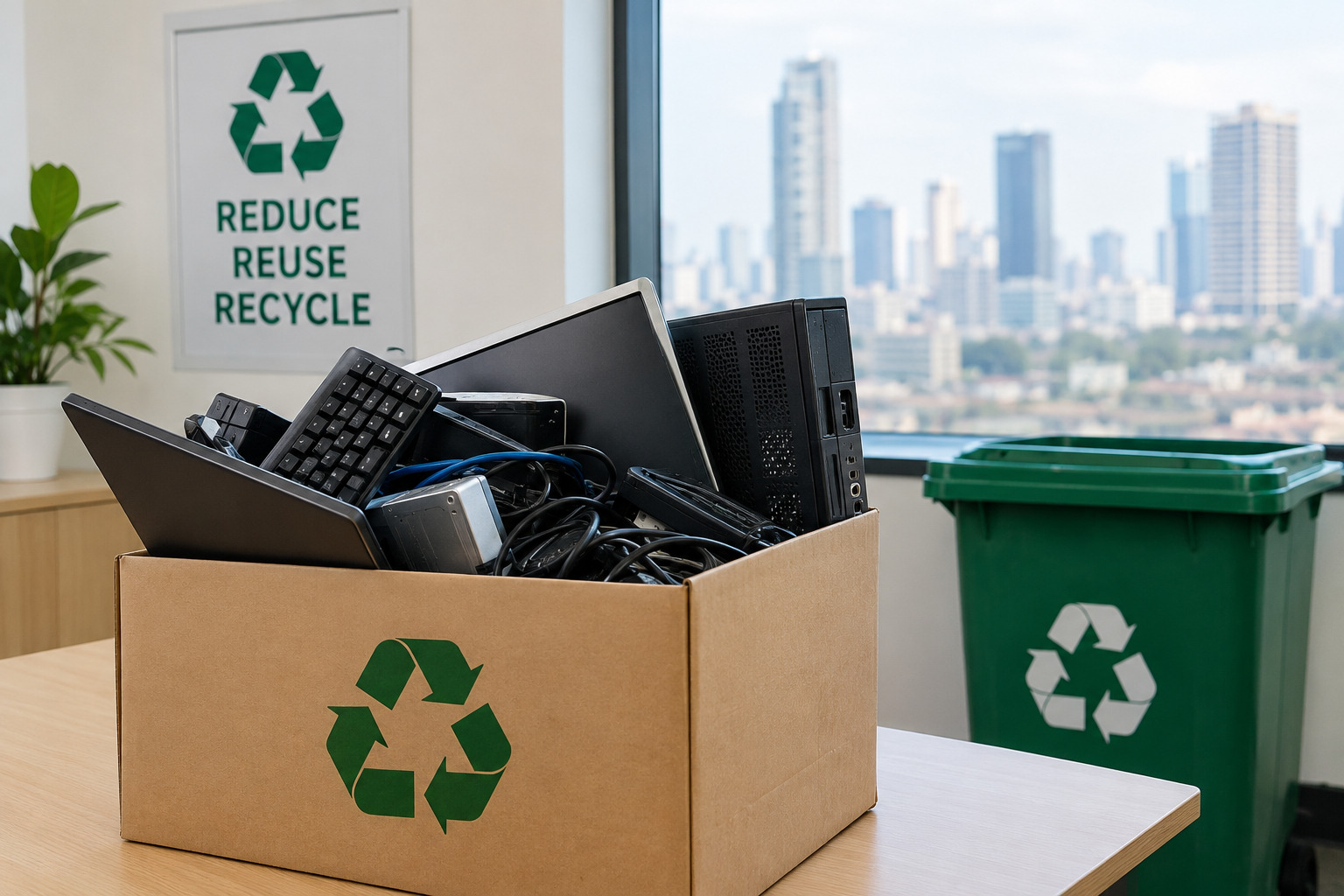
Start by listing the desktops that are no longer required. Include CPU units, monitors, keyboards, cables, and other associated equipment where applicable.
Record available asset details, quantities, and ownership information. For corporate organizations, maintaining an inventory can make internal approvals, asset tracking, and disposal documentation easier.
2. Protect Sensitive Business Data
Data security should be a priority before any computer leaves the premises. Deleting files or formatting a drive does not always make the information unrecoverable.
Businesses should assess their data storage devices and select an appropriate sanitization or destruction method based on the sensitivity of the information and their internal policies. Where required, use recognized data sanitization practices, maintain records, and obtain suitable documentation from the service provider.
This step is especially important for banks, healthcare facilities, IT companies, and organizations handling confidential customer information.
3. Arrange Collection and Responsible Handling
Once the equipment has been identified and data security requirements have been addressed, businesses can coordinate collection with an appropriate service provider.
Professional Desktop Disposal in Mumbai can help organizations manage multiple computers through a planned process rather than relying on informal scrap disposal. Businesses should verify the provider's authorization, where applicable, and its arrangements for transporting and processing e-waste.
4. Ensure Appropriate Recycling and Documentation
After collection, discarded computers should be directed through appropriate channels for reuse, refurbishment, dismantling, or recycling, depending on their condition and applicable requirements.
Keep relevant collection records, asset details, handover documents, and data destruction evidence where applicable. Such records can support internal audits and environmental compliance reviews.
Desktop computers contain materials such as metals, plastics, circuit boards, and other electronic components. Proper recycling helps recover useful resources and reduces the need to obtain all materials from newly extracted raw resources.
Desktop Recycling in Mumbai is particularly relevant for companies upgrading their IT infrastructure, relocating offices, replacing computer systems, or clearing out old equipment from warehouses.
Depending on its condition and the capabilities of the receiving facility, a desktop may go through several stages:
Not every desktop can be refurbished or recycled in the same way. Its condition, component quality, and the facilities available determine the most appropriate route.
Businesses should understand the environmental obligations associated with discarded electronic equipment. India's E-Waste (Management) Rules, 2022, along with subsequent amendments and applicable provisions, establish a framework for managing e-waste.
The specific obligations depend on the organization's role, the type of equipment, and the applicable regulatory requirements. Businesses should review relevant requirements and seek professional guidance when necessary.
For organizations arranging Desktop Disposal in Mumbai, important considerations include:
A responsible approach to e-waste management supports environmental protection while helping businesses maintain organized asset disposal practices.
Bhangarwala Waste Management Private Limited (BWM) works in the e-waste management sector, supporting organizations that need to manage unwanted electronic equipment responsibly.
For companies looking for Desktop Disposal in Mumbai, having a clear process for handling obsolete computers can make IT asset clearance more organized. Businesses can discuss their equipment quantities, collection requirements, documentation needs, and data security expectations before proceeding.
BWM's leadership includes Indrajeet Gupta (Director, BWM) and Harsha Bhalerao (Director, BWM).
Organizations considering BWM can contact the company to discuss their desktop disposal and electronic waste management requirements. Before arranging a handover, businesses should confirm the applicable collection arrangements, processing route, documentation, and data security procedures.
Responsible desktop disposal can benefit organizations of different sizes and across various industries.
Whether a business has a few outdated desktops or a larger collection of equipment, planning the process in advance helps avoid unnecessary delays and confusion.
Before scheduling a collection, businesses can follow this simple checklist:
These steps make Desktop Disposal in Mumbai more manageable and help businesses establish a consistent process for future IT equipment replacements.
Managing outdated computers responsibly is an important part of modern business operations. A well-planned disposal process protects sensitive information, supports resource recovery, and helps prevent electronic equipment from entering inappropriate waste streams.
For businesses seeking Desktop Disposal in Mumbai, the right approach combines inventory management, secure data handling, suitable recycling channels, and awareness of applicable e-waste regulations.
Bhangarwala Waste Management Private Limited (BWM) invites businesses to discuss their electronic waste management requirements and explore suitable options for handling obsolete desktop computers. With careful planning and responsible disposal practices, organizations can manage old IT equipment more efficiently while contributing to a more sustainable approach to electronic waste.
1. Where can businesses arrange desktop disposal in Mumbai?
Businesses can contact an e-waste management service provider such as Bhangarwala Waste Management Private Limited to discuss collection and recycling requirements. Confirm the provider's suitability, applicable authorization, documentation, and processing arrangements before handing over equipment.
2. Why is desktop recycling important?
Desktop recycling helps recover useful materials, reduces the amount of electronic waste sent to inappropriate disposal channels, and supports more responsible use of natural resources.
3. How should businesses protect data before disposing of old desktops?
Businesses should back up required files, identify storage devices, and use suitable data sanitization or physical destruction methods based on their security requirements. They should also retain relevant records or certificates where applicable.
4. What types of equipment can be included in desktop disposal?
Depending on the service provider's accepted equipment categories, disposal may include desktop CPU units, monitors, keyboards, cables, and other computer peripherals. Confirm accepted items before arranging collection.
5. What should businesses check before choosing a desktop disposal company?
Check the provider's relevant authorization or registration, collection and transportation arrangements, downstream recycling channels, data security procedures, and documentation practices. Businesses should also ensure that the proposed process meets their internal policies and applicable legal requirements.

Bhangarwala Waste Management Pvt. Ltd. is on a mission to Achieve Sustainability through Circularity by providing Waste Recycling Services for Corporates.
