
Category: Recycling | 16 Oct 2026
As businesses upgrade computers, laptops, servers, printers, and other electronic equipment, managing outdated devices has become an important responsibility. Improper disposal can create environmental risks, while discarded office electronics may contain sensitive business information that requires careful handling.
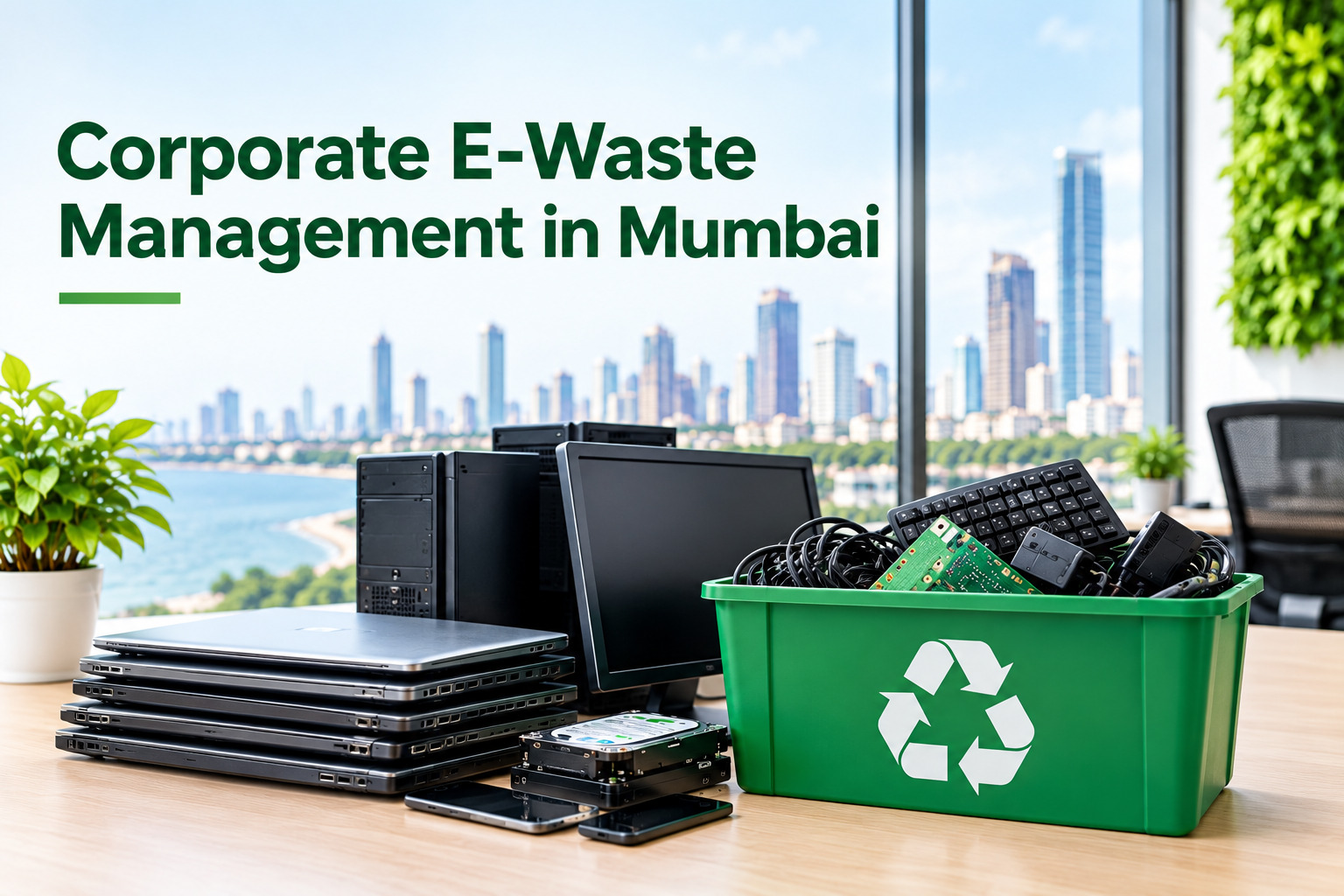
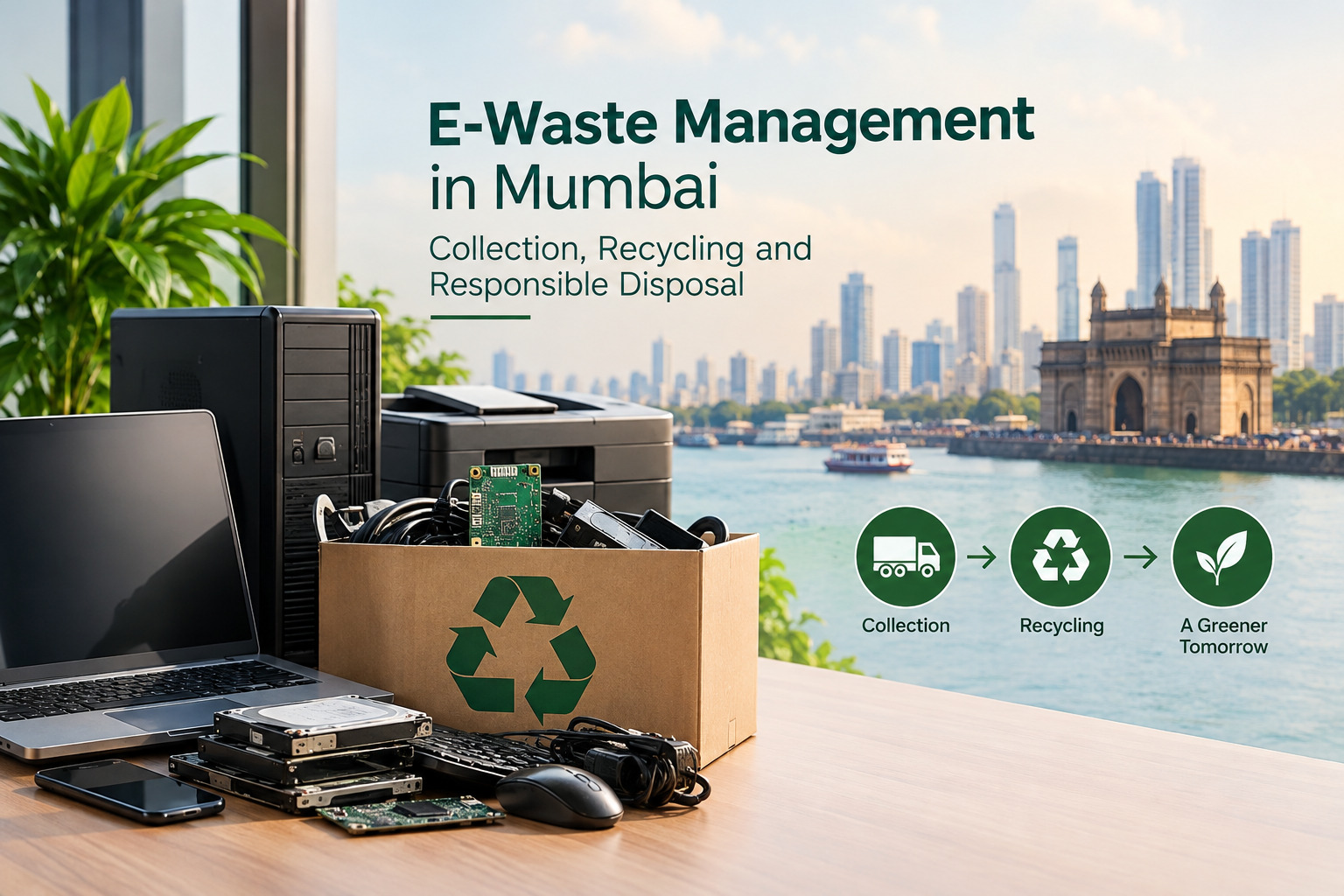
Corporate E-Waste Management in Mumbai helps businesses manage obsolete electronic equipment through organized collection, secure data destruction, responsible recycling, and appropriate disposal. For corporate offices, IT companies, banks, hospitals, educational institutions, factories, and data centers, a well-planned e-waste management process supports both environmental sustainability and data security.
Bhangarwala Waste Management Private Limited (BWM) helps businesses understand the importance of responsible electronic waste handling. By choosing an appropriate recycling partner and maintaining proper documentation, organizations can manage unwanted IT assets more systematically while supporting resource recovery and reducing the environmental impact of electronic waste.
Corporate e-waste management is the organized process of collecting, sorting, handling, recycling, and disposing of electronic equipment that businesses no longer need. It covers everything from individual desktop computers to large volumes of obsolete IT infrastructure.
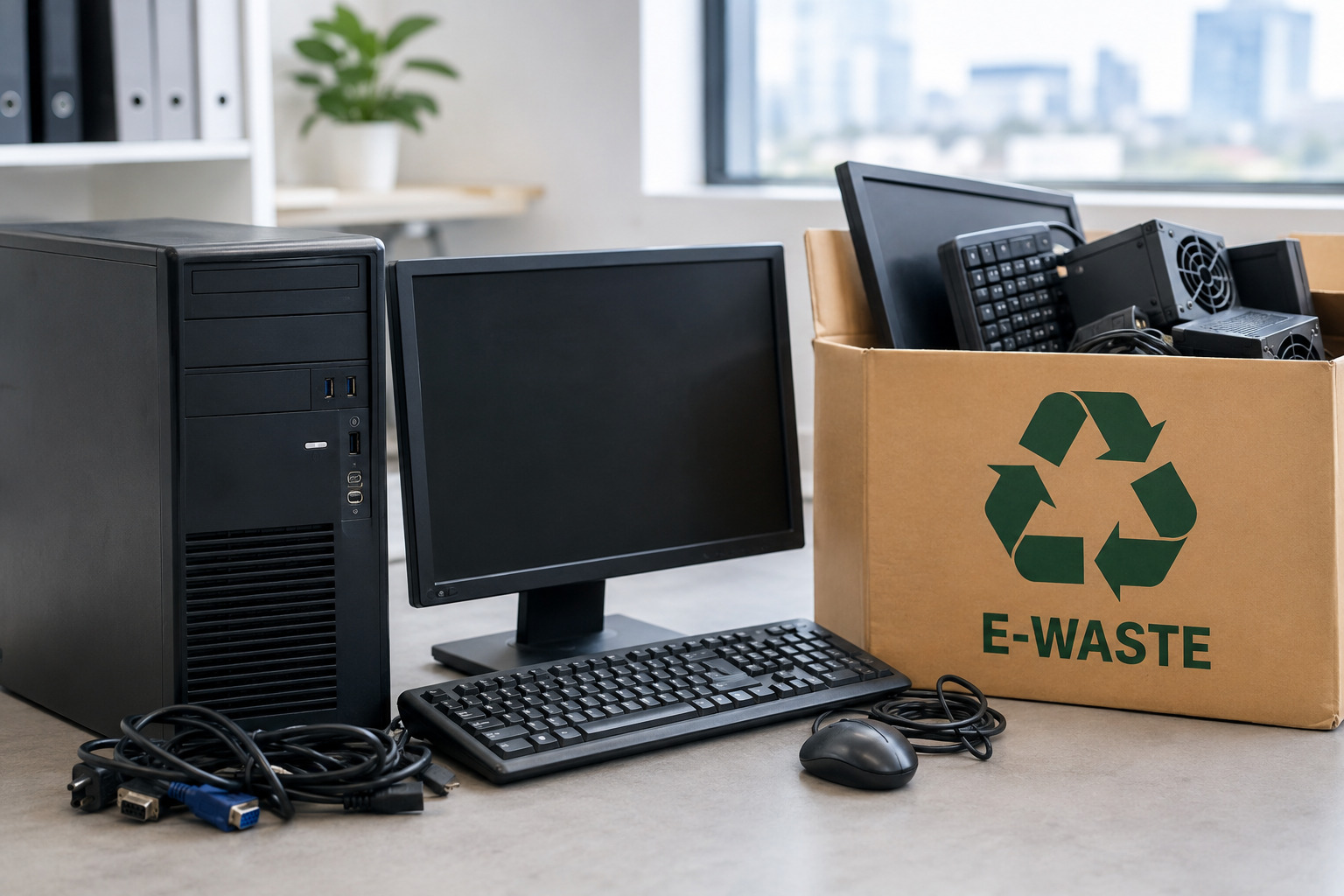
Common examples of corporate e-waste include:
A structured approach to Corporate E-Waste Management in Mumbai enables businesses to handle these materials responsibly instead of allowing outdated equipment to accumulate in storage rooms or enter informal disposal channels.
Mumbai's business environment includes corporate offices, financial institutions, IT companies, healthcare facilities, manufacturing units, and educational organizations. These workplaces regularly replace electronic equipment to improve productivity, maintain security, and meet changing operational requirements.
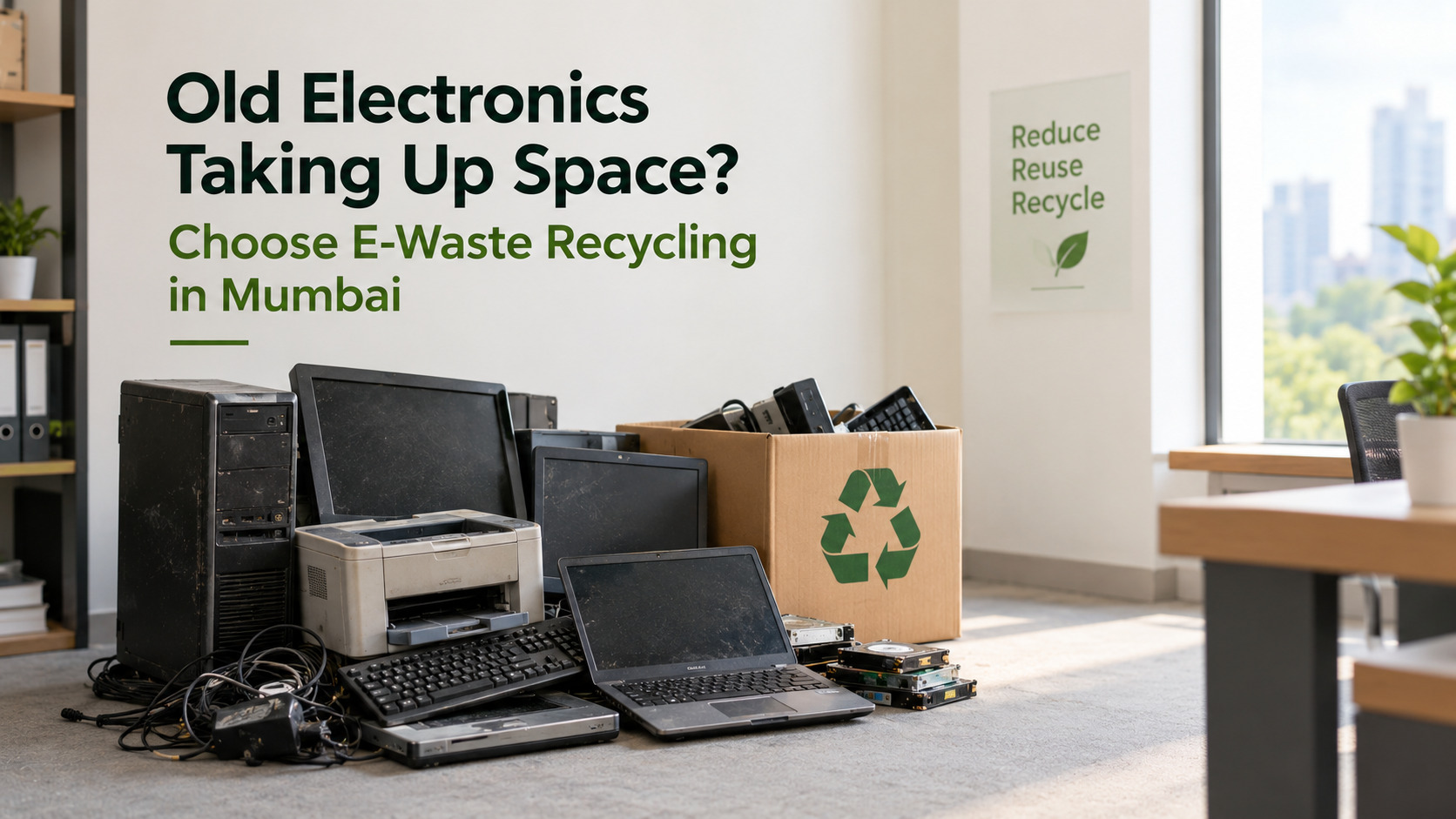
Without a clear disposal process, old electronics can take up valuable space, expose confidential information, and contribute to environmental pollution.
Old computers, laptops, hard drives, and servers may retain financial records, employee information, customer details, emails, and business documents. Simply deleting files or formatting a drive may not provide sufficient protection.
Businesses should establish a secure IT asset disposal process that identifies storage devices, determines appropriate data sanitization methods, and verifies completion. Depending on the device and security requirements, this may involve approved data erasure or physical destruction.
Organizations handling sensitive information should also maintain suitable records of data destruction and asset handover.
Electronic equipment may contain recoverable metals, plastics, glass, and other materials. However, certain components can also contain hazardous substances that require appropriate handling.
Responsible recycling helps recover usable resources and reduces the need for some virgin raw materials. It also limits the risks associated with uncontrolled dismantling, burning, or dumping of electronic waste.
Businesses should understand the applicable Indian e-waste regulations and their responsibilities as generators, producers, refurbishers, or other regulated entities, depending on their activities.
India's E-Waste (Management) Rules, 2022, as amended, establish a regulatory framework for covered electrical and electronic equipment. Organizations should assess the provisions applicable to them and use appropriately authorized recycling channels where required.
A responsible disposal process can help businesses maintain records, demonstrate due diligence, and improve their internal environmental management practices.
An effective recycling process begins with identifying the equipment that needs to be removed and selecting a suitable handling method. Businesses can make the process easier by preparing an inventory and defining their security, environmental, and documentation requirements before collection.
Prepare a list of obsolete computers, laptops, servers, printers, monitors, and other electronic equipment. Record asset details, quantities, working condition, and any data storage components.
This inventory helps businesses organize bulk e-waste collection and maintain better control over assets being retired.
Businesses should coordinate collection according to their site requirements, equipment volume, and operational schedule. For offices with multiple departments or locations, a planned pickup process can reduce disruption and improve traceability.
For Corporate E-Waste Management in Mumbai, companies should discuss collection arrangements, asset handover records, transportation procedures, and documentation with their recycling partner in advance.
Before electronic equipment enters the recycling stream, identify devices that may contain confidential information. Select an appropriate data destruction method based on the storage technology, sensitivity of the data, and applicable organizational policies.
Suitable procedures may include verified data erasure, approved sanitization methods, or physical destruction when necessary. Businesses should request relevant records or certificates where these are part of the agreed service.
After collection and necessary security checks, equipment can be assessed for reuse, refurbishment, component recovery, or material recycling, depending on its condition and the applicable requirements.
Responsible electronic waste recycling prioritizes appropriate recovery methods and ensures that unusable equipment is directed to suitable authorized channels.
Businesses should retain relevant asset inventories, handover records, data destruction evidence, and recycling documentation as applicable. These records help internal teams track retired equipment and support audits and compliance reviews.
Selecting a recycling partner is an important decision, particularly for organizations handling large volumes of electronic equipment or confidential business data.
When comparing an E-Waste Management Company India businesses can work with, consider the following factors:
A reliable partner should explain its processes clearly rather than making unsupported claims about security, compliance, or environmental performance.
Different industries have different equipment disposal needs. A flexible Corporate E-Waste Management in Mumbai plan should reflect the organization's operational and security requirements.
IT businesses and data centers frequently retire servers, network switches, storage devices, and computer systems. Their disposal plans should prioritize asset tracking, secure data sanitization, and appropriate handling of high-value electronic components.
Banks may retire computers, hard drives, networking equipment, and office electronics that contain sensitive financial or customer information. Clear data security procedures and verifiable documentation are particularly important.
Hospitals and healthcare organizations may dispose of computers, monitors, diagnostic electronics, and administrative equipment. They should consider confidentiality requirements and ensure that equipment is handled according to applicable waste management rules.
Schools, colleges, universities, and government departments can generate e-waste during computer laboratory upgrades, office modernization, and infrastructure replacement. Scheduled collection and inventory-based disposal can make the process more manageable.
Manufacturing facilities and office buildings may accumulate desktops, printers, communication devices, and electronic control equipment. A planned recycling process helps reduce storage clutter and ensures that retired assets are handled appropriately.
Computers are among the most common sources of workplace electronic waste. When organizations replace outdated systems, they should consider both the environmental impact and the information stored on the devices.
Desktop Disposal in Mumbai should involve proper asset identification, secure handling of storage drives, and appropriate recycling of equipment that has reached the end of its useful life.
Similarly, organizations looking for computer recycling in India should evaluate providers that can support bulk collections, responsible material recovery, and suitable documentation. An established E waste recycling company in Mumbai should be able to explain how computers and related components move through its handling and recycling process.
Bhangarwala Waste Management Private Limited (BWM) focuses on responsible e-waste management for businesses seeking a more organized approach to retiring electronic assets. Organizations can discuss their equipment categories, collection requirements, and documentation needs before arranging a disposal process.
Data security should be considered before any computer, server, or storage device leaves an organization's control.
Professional data destruction services in Mumbai may help businesses manage sensitive storage media through suitable data erasure or destruction procedures. However, organizations should select a method based on their information security policies, the type of storage device, and the level of protection required.
A practical checklist includes:
Data destruction and recycling should work together. Protecting information is essential, but it should not become a reason to overlook responsible environmental handling.
Bhangarwala Waste Management Private Limited (BWM) provides a business-focused point of contact for organizations exploring electronic waste collection and recycling solutions in Mumbai.
Businesses can discuss their obsolete IT equipment, estimated quantities, collection requirements, and data security expectations to determine an appropriate approach. Before proceeding, organizations should verify the specific services offered, applicable authorizations, and documentation available for their requirements.
For companies planning Corporate E-Waste Management in Mumbai, working with a suitable recycling partner can make equipment retirement more organized and support responsible resource recovery.
The goal is straightforward: manage unwanted electronics carefully, protect confidential information, maintain appropriate records, and direct electronic waste toward responsible recycling and disposal channels.
Businesses can improve their e-waste management process with a few practical steps:
These practices help organizations build a more consistent approach to electronic waste disposal while supporting resource recovery and responsible material management.
Responsible electronic waste management is an important part of modern business operations. From protecting confidential information to recovering valuable materials, a structured approach helps organizations handle outdated equipment with greater care and accountability.
For businesses seeking Corporate E-Waste Management in Mumbai, Bhangarwala Waste Management Private Limited (BWM) can be a point of contact for discussing e-waste collection and recycling requirements. By evaluating the right processes, checking applicable compliance requirements, and maintaining suitable documentation, organizations can take practical steps toward more secure and environmentally responsible electronic waste management.
Frequently Asked Questions (FAQs)
It is the organized collection, secure handling, recycling, and appropriate disposal of obsolete business electronics. It can include computers, laptops, servers, printers, networking devices, and other office equipment.
Corporate e-waste recycling supports material recovery, reduces improper electronic waste disposal, helps protect confidential information through suitable security procedures, and assists businesses in managing their environmental responsibilities.
Businesses should identify storage devices, select appropriate data sanitization or destruction methods, document the process, and arrange responsible recycling through a suitable provider. Simply deleting files may not be sufficient for sensitive information.
Check applicable registrations and authorizations, data security procedures, collection capabilities, recycling practices, and documentation. Confirm that the provider can handle your equipment types and organizational requirements.
Depending on the applicable rules and the services provided, relevant records may include asset inventories, collection receipts, handover records, data destruction certificates, and recycling documentation. Businesses should confirm their specific recordkeeping obligations.

Bhangarwala Waste Management Pvt. Ltd. is on a mission to Achieve Sustainability through Circularity by providing Waste Recycling Services for Corporates.
