

Climate Crisis and Environmental Degradation

Society and The Climate Transition
In a world grappling with the daunting challenges of climate change and environmental degradation, waste management and recycling stand as pillars of hope for achieving sustainability. Transitioning towards more sustainable practices in various sectors of economy. Waste management is integral to this transition, as it contributes to reducing greenhouse gas emissions and conserving resources. Recycling and proper disposal methods help divert waste from landfills, mitigating methane emissions and conserving energy.
Harmful Environmental Effects of Inadequate Waste Management
Inadequate waste management practices have far-reaching and detrimental environmental effects:
Landfills and Methane Emissions: Landfills are a significant source of methane, a potent greenhouse gas. When organic waste decomposes in landfills, it produces methane, contributing to global warming.
Pollution and Health Risks: Improper disposal of hazardous waste materials can contaminate soil and water, posing health risks to both humans and wildlife.
Resource Depletion: The production of new materials to replace those discarded as waste consumes natural resources, depleting forests, minerals, and fossil fuels.
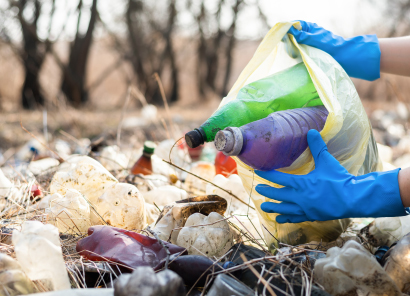
Wildlife and Ecosystem Impacts: Wildlife can suffer from ingestion of or entanglement in waste materials, leading to injury or death. Furthermore, ecosystems are disrupted by pollution from waste.
Microplastics: The breakdown of plastics into microplastics has resulted in widespread contamination of oceans, threatening marine life and potentially entering the food chain.
Working Towards a Sustainable Future
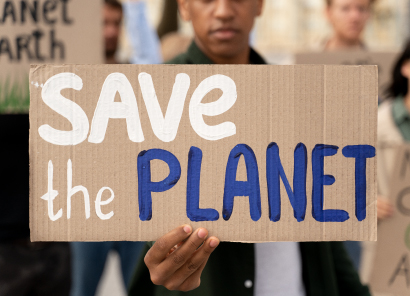
Making a Positive Impact in Society through Recycling
Recycling is a cornerstone of waste management that offers numerous avenues for making a positive impact on society:
Economic Benefits: Recycling creates jobs and stimulates economic growth. The recycling industry not only conserves resources but also contributes to a more sustainable and robust economy.
Resource Conservation: Recycling reduces the need for virgin materials, preserving natural resources. For example, recycling aluminum saves up to 95% of the energy required to create aluminum from raw materials.
Energy Savings: The recycling process often requires less energy compared to the extraction and processing of raw materials. This results in reduced greenhouse gas emissions.
Community Engagement: Recycling initiatives can engage local communities in environmental awareness and action, fostering a sense of shared responsibility.
Education and Awareness: Recycling programs provide a platform for educating the public about the environmental consequences of waste and the value of resource conservation.
Equity: Ensuring that the benefits of recycling are accessible to all, regardless of socioeconomic status, is crucial for social and environmental justice.
Values for Achieving Sustainability
To achieve sustainability through waste management and recycling, we must uphold certain core values:
Responsibility: Recognizing our individual and collective responsibility for the waste we generate is essential. This includes not only proper disposal but also minimizing waste production.
Circular Economy: Embracing the principles of a circular economy, where resources are reused, recycled, and repurposed, helps reduce waste and conserves valuable materials.
Innovation: Encouraging innovation in waste management and recycling technologies and practices can lead to more efficient and effective solutions.
Environmental Stewardship: Seeing ourselves as stewards of the environment, entrusted with the care and preservation of our planet, is fundamental to sustainability.
Equity: Ensuring that the benefits of recycling are accessible to all, regardless of socioeconomic status, is crucial for social and environmental justice.

4-Step Action Plan for Recycling

Here is a 4-step action plan to enhance recycling efforts and work toward a more sustainable future:
Waste Recycling is not just about reducing clutter in our homes; it is a vital step towards mitigating the environmental challenges that come with waste generation. Furthermore, recycling conserves valuable resources. Recycling aluminum, for instance, consumes up to 95% less energy than creating new aluminum from raw materials, saving both energy and resources. It also decreases the need for deforestation, mining, and the associated destruction of natural habitats, which are vital in climate change mitigation. By adopting environmentally friendly packaging, implementing waste reduction measures, and encouraging recycling, companies can align their practices with the global push for a greener planet.
Recycling conserves resources, reduces energy consumption, and diminishes emissions while fostering a culture of environmental responsibility. Working collectively, we can create a more sustainable future by prioritizing recycling as a crucial part of our daily lives. It's not just a choice; it's a responsibility we owe to our planet and to future generations.
Sustainability Ambitions

Motivating Society
In a world besieged by environmental challenges, motivating society to embrace recycling has never been more critical. Our collective efforts in recycling can inspire broader environmental consciousness. When communities, businesses, and individuals prioritize recycling, it sends a powerful message that we are committed to making sustainable choices. This, in turn, encourages others to follow suit.
Motivating society for waste recycling is not an insurmountable challenge. It starts with awareness, education, and convenient recycling infrastructure. Communities, schools, and businesses can organize recycling drives and awareness campaigns. Governments can implement policies that encourage recycling and provide incentives for eco-friendly practices.
In conclusion, waste recycling is about protecting our planet, conserving resources, and building a brighter future for generations to come.
RESPONSIBLE RELATIONSHIPS
Working Together
Waste recycling is not just an individual act; it is a collective responsibility that we all share in building a sustainable future.
Recycling can stimulate economic growth. It creates jobs in recycling facilities, promotes innovation in the development of eco-friendly products, and even reduces the costs associated with waste disposal. Incentivizing recycling is not only environmentally responsible but also economically sound.
Our collective efforts in recycling can inspire broader environmental consciousness. When communities, businesses, and individuals prioritize recycling, it sends a powerful message that we are committed to making sustainable choices. This, in turn, encourages others to follow suit. Let's inspire change by fostering a recycling culture and taking collective responsibility for our environment. Together, we can create a cleaner, healthier, and more sustainable world.
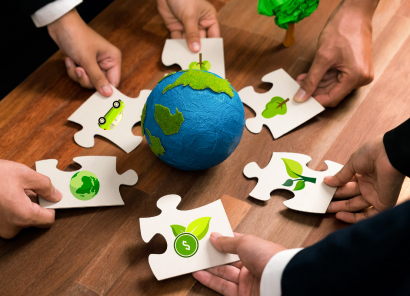

Making Impact
Environmental sustainability is a shared responsibility, and one of the most effective ways we can contribute to a greener planet is through waste recycling. Recycling reduces the demand for virgin raw materials which help preserve our planet's precious resources for future generations. The process of recycling often requires less energy compared to the manufacturing of new products from raw materials. This results in reduced energy consumption and, consequently, fewer greenhouse gas emissions.
Recycling is a fundamental pillar of the circular economy, where products and materials are reused, remanufactured, or recycled, thus minimizing waste and reducing the need for new resources. Embracing a circular economy model through recycling can pave the way for a more sustainable and regenerative approach to consumption.
When individuals and communities make recycling a part of their routine, it sends a clear message about the importance of sustainable living. This inspires others to follow suit and encourages businesses to adopt more eco-friendly practices. Most importantly, it's a simple yet impactful way to protect the planet for current and future generations. Each time we recycle, we take a step closer to a greener, healthier, and more sustainable world.
BWM is on a mission to Achieve Sustainability through Circularity by providing Waste Recycling Services for Corporates.