

Category: Recycling | 04 Nov 2026
Monitors are an important part of everyday business operations. Corporate offices, IT companies, banks, educational institutions, and other organisations use computer monitors for their daily activities. However, as technology changes, old, damaged, and outdated monitors often become unwanted electronic waste.
Disposing of these monitors without proper planning can create environmental and waste management concerns. Some display technologies contain materials that require careful handling and responsible processing. This is why Monitor Recycling in Mumbai is becoming an important consideration for businesses that want to manage electronic waste responsibly.
Choosing the right recycling approach helps organisations reduce electronic waste, recover valuable materials, and support environmentally responsible practices.
Bhangarwala Waste Management Private Limited (BWM) understands the importance of organised electronic waste management for modern businesses. Here are seven important things every business should know before sending old monitors for recycling.
Old computer monitors should not be treated like ordinary office waste. Different display technologies contain materials that need appropriate handling. Improper dumping, breaking, or dismantling can create environmental risks.
Responsible Monitor Recycling in Mumbai helps businesses manage outdated electronic equipment through suitable collection, segregation, and recycling processes.
Some important benefits include:
For businesses replacing multiple computers or upgrading their IT infrastructure, planned monitor recycling can make electronic waste management easier and more organised.
Not all computer monitors are manufactured in the same way. Their internal components and materials can differ depending on their technology and manufacturing period.
Understanding these differences helps businesses choose appropriate recycling solutions.
Older CRT monitors are bulky and contain glass and other materials that require specialised handling. They should never be broken or dismantled casually.
LCD monitors are commonly found in offices and commercial workplaces. Their screens and internal electronic components need appropriate dismantling and processing.
LED monitors are widely used because of their energy efficiency and slim design. However, they still contain electronic components that require responsible recycling.
Modern displays may contain circuit boards, plastics, metals, and other recoverable materials. These components should be separated through appropriate recycling methods.
Choosing a suitable Monitor Recycling in Mumbai service ensures that different types of monitors are directed towards appropriate recycling channels.
Many businesses assume that computer monitors do not contain sensitive information because they mainly display content. However, modern smart monitors and certain connected display devices may contain internal storage, configuration data, or network-related information.
Businesses should consider the following precautions before recycling:
For organisations handling confidential business information, data security should remain an important part of electronic waste disposal.
A professional recycling arrangement should also clarify whether secure data destruction is required for connected devices or other IT assets included in the disposal.
Electronic waste management in India is governed by the E-Waste (Management) Rules, 2022, which came into effect on 1 April 2023, along with subsequent amendments.
These rules establish responsibilities for relevant manufacturers, producers, refurbishers, and recyclers. They also introduce an Extended Producer Responsibility (EPR) framework for applicable producers.
Businesses should understand that proper electronic waste management involves more than simply removing unwanted equipment from their premises.
Before selecting a recycling partner, organisations should:
For businesses planning Monitor Recycling in Mumbai, checking the recycling partner's credentials is an important step towards responsible waste management.
Selecting the right recycling partner can make a significant difference to the entire disposal process.
An experienced E waste recycling company in Mumbai should understand the handling requirements of different electronic devices and provide a clear collection and recycling process.
Here are some important factors businesses should consider:
Proper Collection: The recycling partner should offer an organised collection process for old and damaged monitors.
Responsible Handling: Equipment should be handled carefully to minimise breakage and environmental risks.
Recycling Documentation: Businesses should ask for relevant handover records and applicable recycling documentation.
Compliance Awareness: The recycling partner should understand applicable e-waste regulations and follow the required procedures.
Business Support: Organisations with large quantities of electronic waste may need planned collection and coordinated disposal services.
Bhangarwala Waste Management Private Limited (BWM) focuses on responsible electronic waste management and supports businesses looking for organised recycling solutions.
Computer monitors contain materials that can potentially be recovered and reused through appropriate recycling processes.
Depending on the monitor type, these may include metals, plastics, glass, and other electronic components.
The recycling process generally involves several stages:
This process supports resource recovery and reduces the need to extract new raw materials.
Businesses investing in office electronics recycling in Mumbai can also strengthen their environmental responsibility initiatives by ensuring that outdated electronic equipment enters appropriate recycling channels.
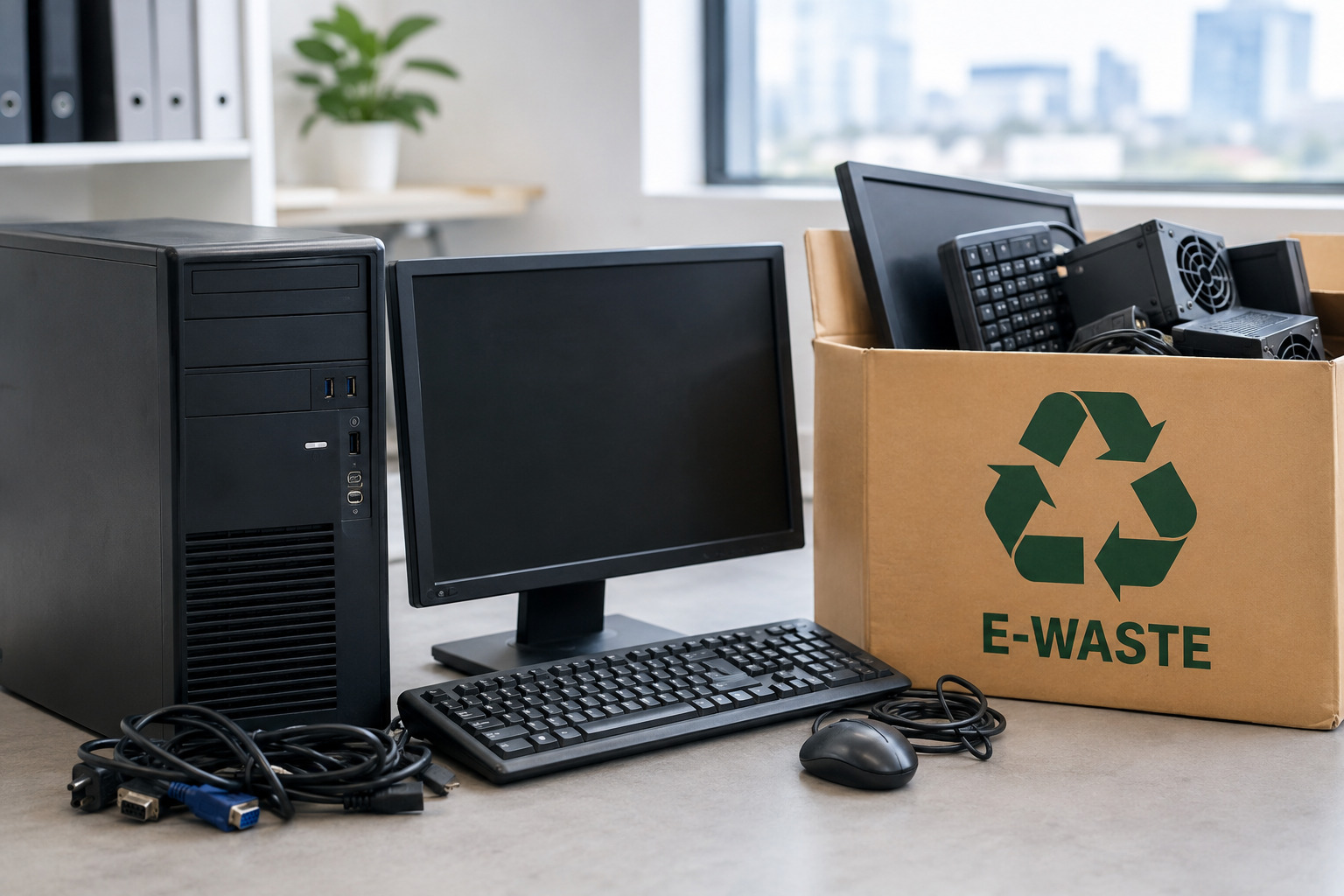
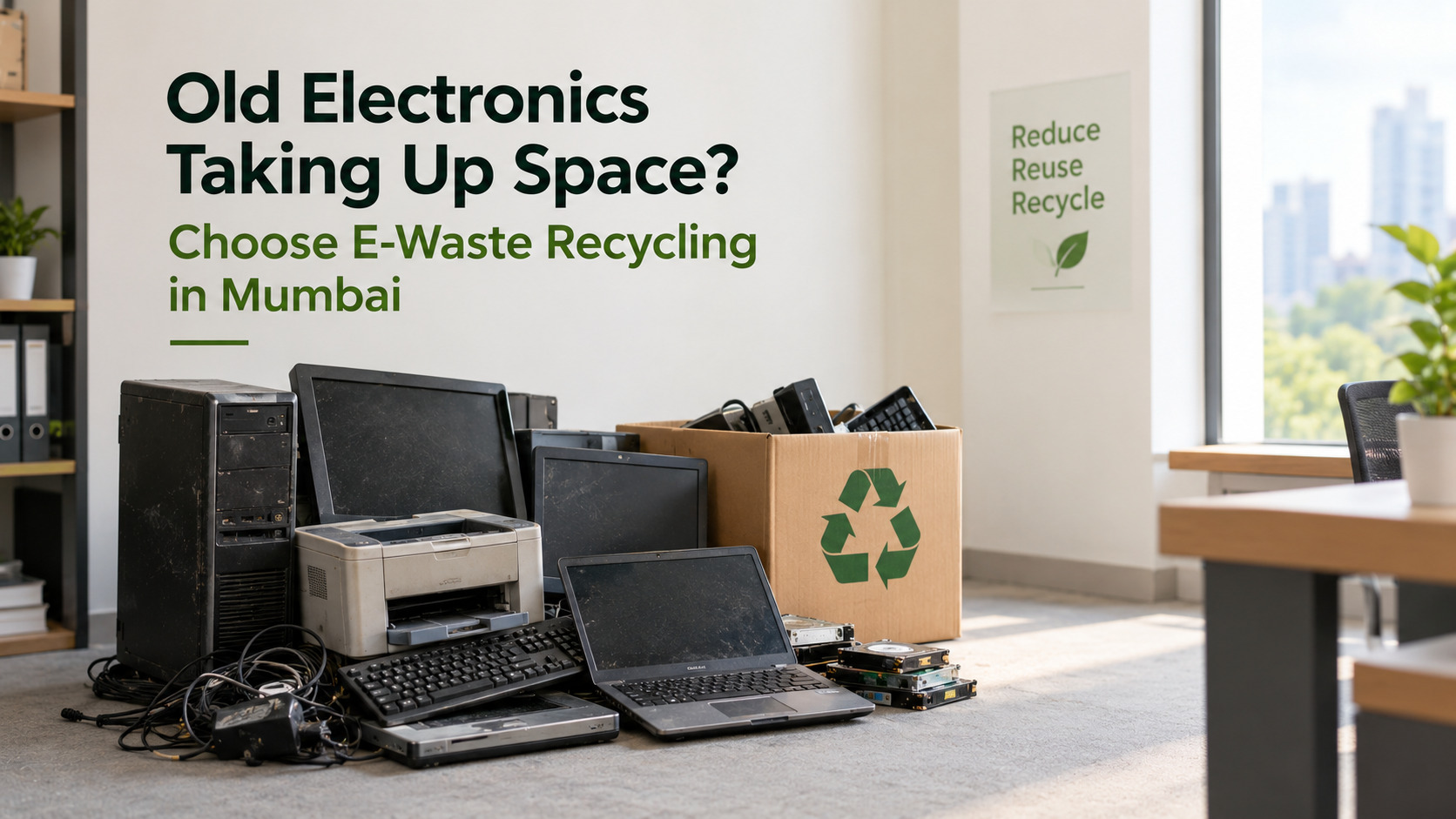
Many businesses replace their computer systems every few years. During these upgrades, large quantities of outdated monitors, CPUs, keyboards, printers, and other electronic equipment can accumulate.
Without a proper disposal plan, these items may remain unused in storage rooms for months.
A planned Monitor Recycling in Mumbai programme can help organisations avoid unnecessary storage and manage electronic waste more efficiently.
Consider these practical steps:
BWM follows a business-focused approach to electronic waste management, helping organisations understand the importance of responsible recycling and proper disposal practices.
Bhangarwala Waste Management Private Limited (BWM) recognises that businesses need organised and environmentally responsible solutions for managing outdated electronic equipment.
Under the leadership of Indrajeet Gupta (Director, BWM) and Harsha Bhalerao (Director, BWM), the company focuses on supporting responsible electronic waste management practices for businesses.
Whether an organisation is replacing old office monitors or planning broader IT asset disposal, choosing the right recycling approach is essential.
Businesses looking for monitor recycling, laptop recycling, desktop recycling, or corporate electronic waste management can connect with BWM to discuss their requirements.
Monitor recycling is an important part of responsible electronic waste management for modern businesses. From protecting the environment to recovering valuable materials and maintaining proper disposal records, the right approach offers several long-term benefits.
Businesses should avoid treating outdated monitors as ordinary waste. Instead, they should choose appropriate recycling channels, understand compliance requirements, and prioritise secure handling of connected electronic devices.
If your organisation has old, damaged, or unused computer monitors, now is a good time to plan their responsible disposal. Choosing the right recycling partner can help your business manage electronic waste in a more organised and environmentally responsible way.
Bhangarwala Waste Management Private Limited (BWM) supports businesses looking for responsible monitor and electronic waste recycling solutions in Mumbai. Under the leadership of Indrajeet Gupta and Harsha Bhalerao, Directors of BWM, the company focuses on promoting better electronic waste management practices.
Businesses interested in Monitor Recycling in Mumbai can connect with BWM to discuss their electronic waste recycling requirements.
For enquiries and collection-related information, businesses can reach the BWM team at +91-7710903010 or +91-8655113333, or email info@bwmgroup.in.
BWM's corporate office is located at A/601, 6th Floor, Crescent Business Square, Khairani Road, Sakinaka, Andheri (East), Mumbai – 400072.
Together, businesses can take a responsible step towards reducing electronic waste and building a cleaner, more sustainable future.
Monitor recycling helps businesses reduce electronic waste, recover reusable materials, prevent improper disposal, and support environmentally responsible waste management.
Different types of monitors, including CRT, LCD, LED, and modern flat-screen displays, can be directed towards appropriate recycling processes depending on their components and condition.
Businesses should identify their outdated equipment, check for connected storage or sensitive configurations, maintain handover records, and select a suitable recycling partner.
They should check the recycler's applicable CPCB registration, collection procedures, recycling practices, documentation, and compliance with relevant e-waste regulations.
Yes. Businesses can plan the collection of monitors along with computers, laptops, printers, keyboards, servers, and other eligible electronic equipment through an appropriate e-waste management arrangement.



Bhangarwala Waste Management Pvt. Ltd. is on a mission to Achieve Sustainability through Circularity by providing Waste Recycling Services for Corporates.
